How Often Should Salt Lake City HVAC Systems Be Serviced?
July 5, 2026
Introduction
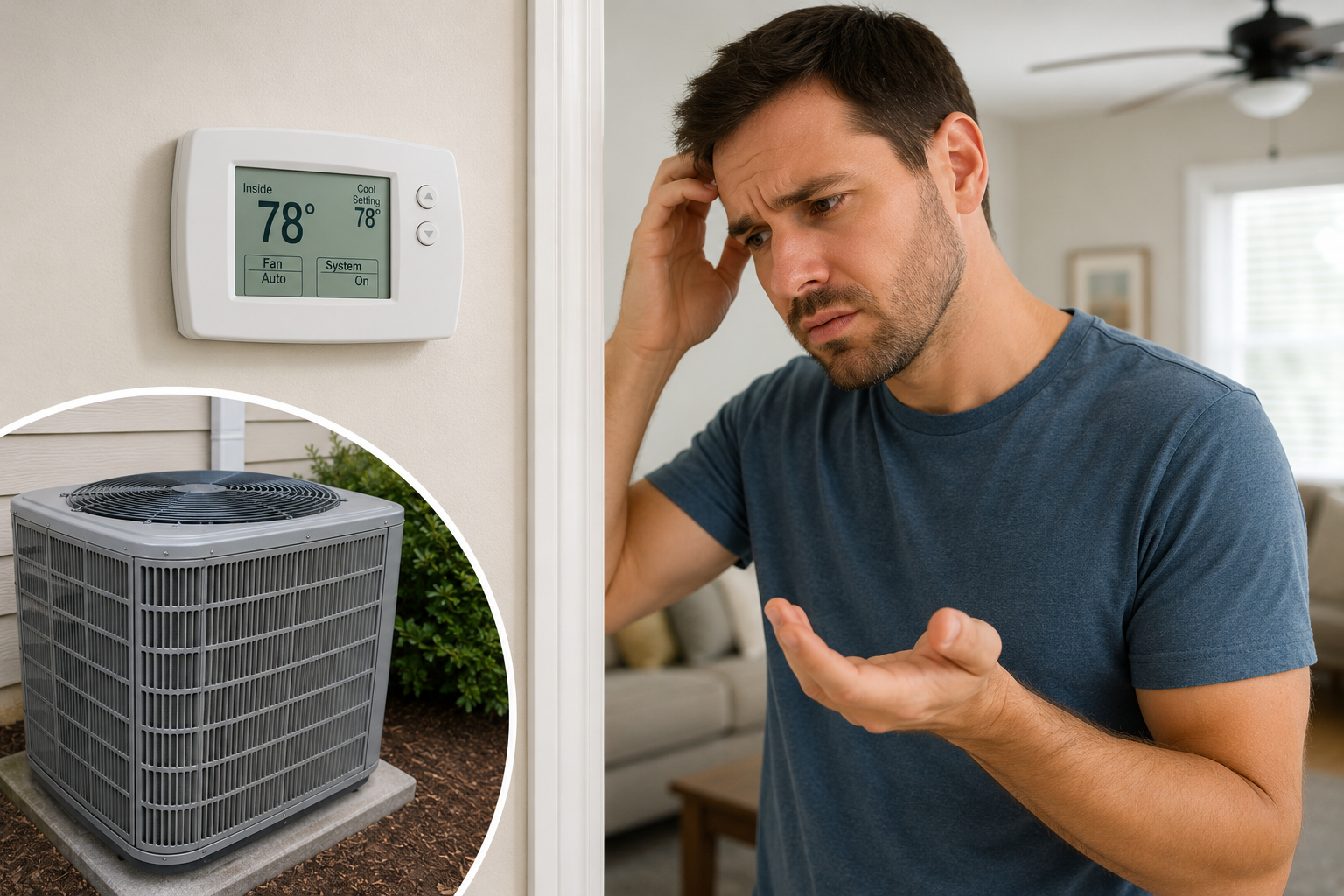
An HVAC system can appear to be working perfectly while small problems quietly develop inside it. Airflow weakens gradually, electrical components begin wearing down, or dirt buildup starts reducing efficiency long before the homeowner notices obvious symptoms.
That is one reason regular HVAC servicing matters so much in Salt Lake City and nearby Utah communities. Heating and cooling systems in this region often operate heavily throughout the year because they handle both hot summer temperatures and cold winter conditions. Without routine maintenance, smaller issues may eventually turn into higher energy bills, uneven indoor comfort, or larger repair problems.
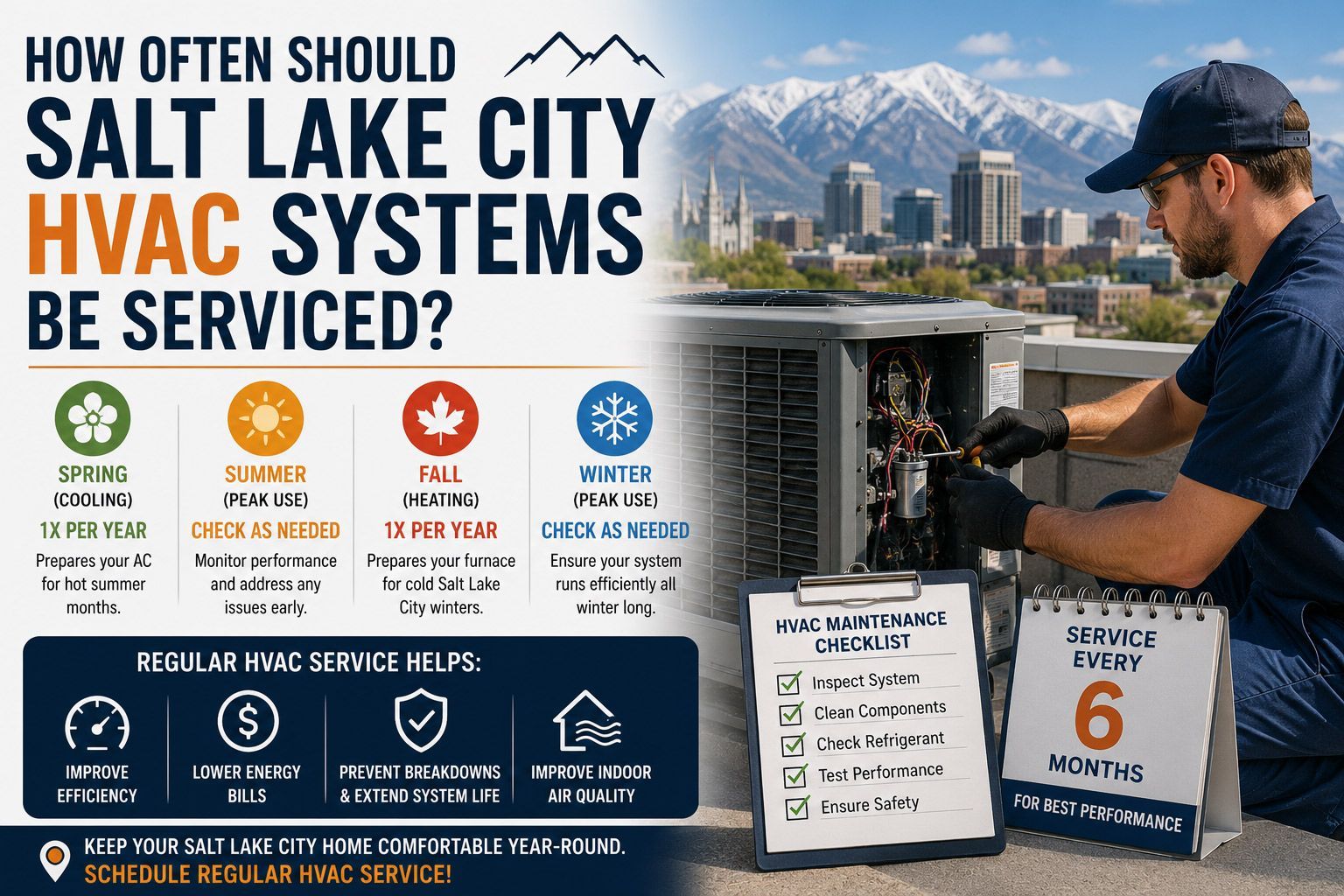
The right service schedule depends on the type of equipment, how heavily the system runs, and the overall condition of the home. However, most residential HVAC systems benefit from regular seasonal inspection and maintenance to keep performance stable year-round.
Most HVAC Systems Should Be Serviced Twice Per Year
For many homes, the standard recommendation is servicing the HVAC system before the major heating and cooling seasons begin.
This usually means:
- One service visit before summer
- One service visit before winter
Seasonal maintenance helps prepare the system for periods of heavier workload.
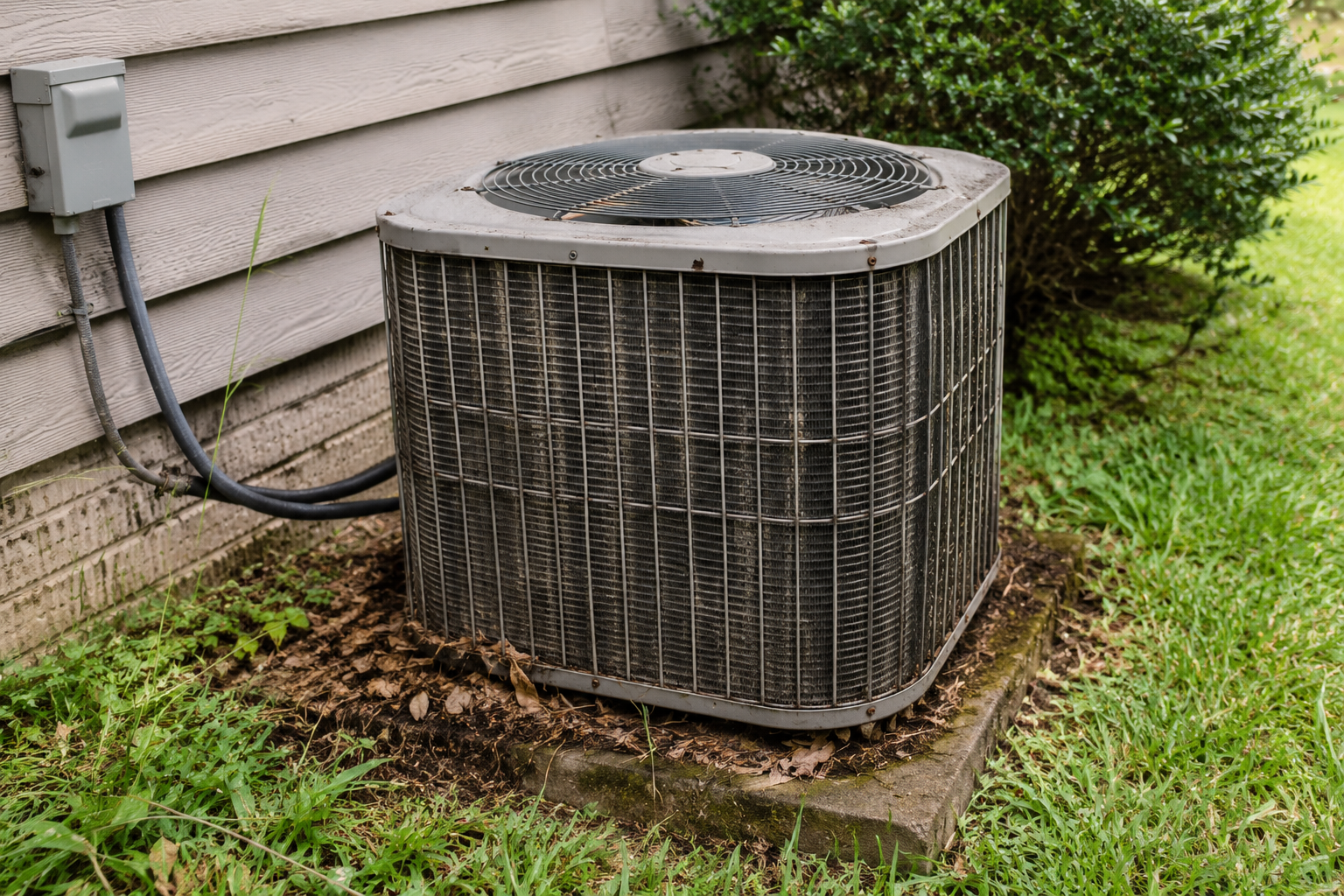
Cooling Systems Should Be Checked Before Summer
Air conditioners often experience their heaviest strain during Utah’s hotter months.
Spring servicing typically focuses on areas such as:
| AC Maintenance Area | Why It Matters |
|---|---|
| Refrigerant levels | Supports cooling performance |
| Condenser coil cleaning | Improves heat transfer |
| Electrical testing | Reduces breakdown risk |
| Airflow inspection | Maintains circulation |
| Drain line cleaning | Prevents moisture issues |
Addressing these issues before peak summer temperatures helps reduce strain during heavy cooling demand.
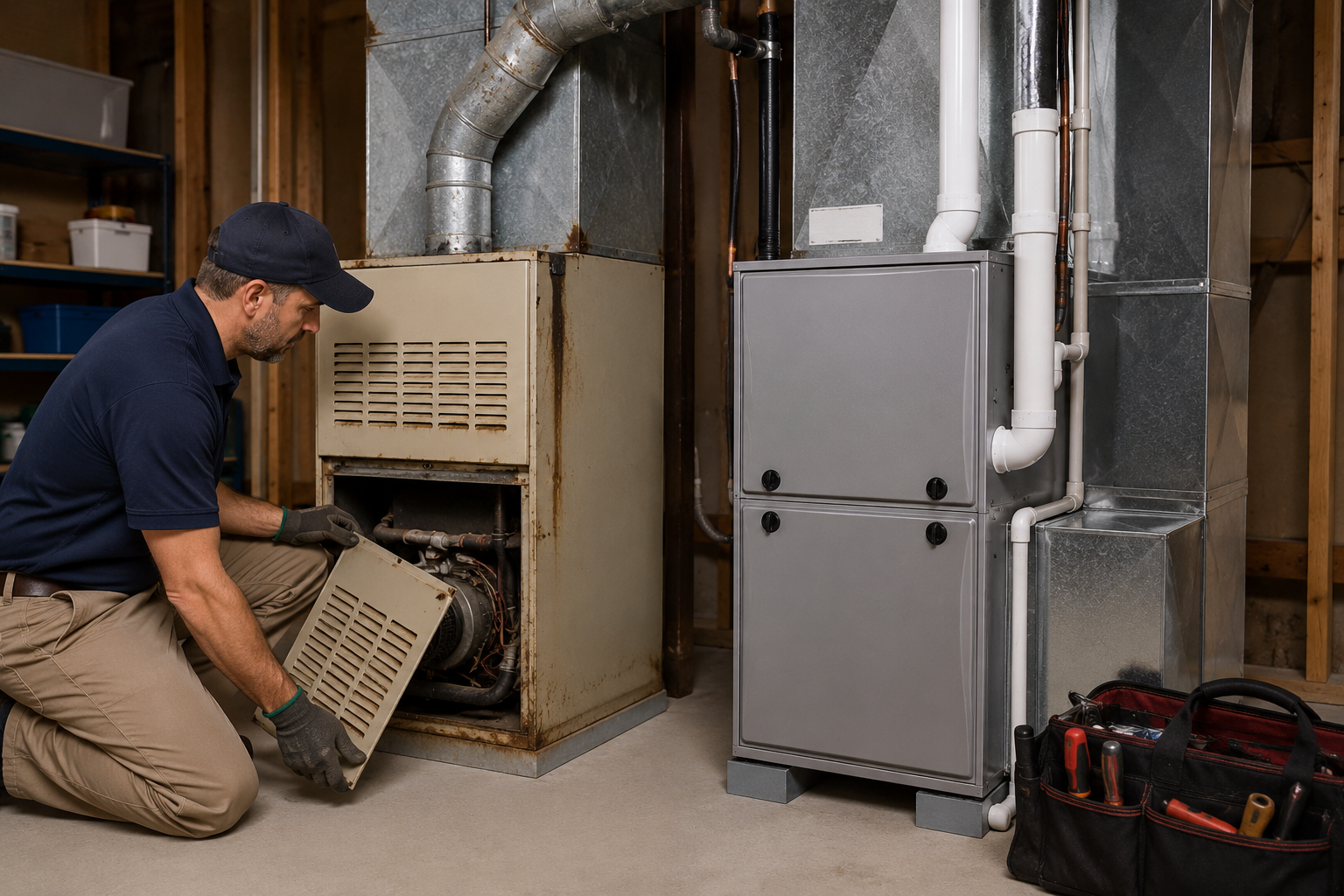
Furnaces Benefit From Pre-Winter Maintenance
Heating systems should ideally be inspected before colder weather arrives.
Furnace servicing may involve:
- Burner inspection
- Heat exchanger evaluation
- Ignition testing
- Airflow checks
- Safety control testing
Because furnaces involve combustion systems, maintenance also helps verify safe operation during winter use.
Heavy HVAC Usage Often Requires More Attention
Not every HVAC system operates under the same workload.
Some Salt Lake City homes place much greater demand on heating and cooling equipment than others.
Larger Homes Usually Create More Runtime
HVAC systems often run longer in homes with:
- Multiple floors
- Large open layouts
- High ceilings
- Extensive window exposure
Longer runtime naturally creates more wear on motors, electrical parts, and airflow systems.
Extreme Seasonal Temperatures Increase System Stress
Utah weather shifts significantly throughout the year.
During extreme seasons, HVAC systems may operate almost continuously for extended periods. That additional workload increases:
- Component wear
- Airflow strain
- Electrical demand
- Filter contamination
Homes experiencing heavy seasonal HVAC usage sometimes benefit from more frequent inspections.
Dirty Filters Can Affect Performance Much Faster
One of the most overlooked maintenance items is also one of the most important.
Air filters directly affect airflow throughout the entire HVAC system.
Restricted Filters Force Systems to Work Harder
When filters become clogged, the system struggles to move air efficiently.
This may contribute to:
- Longer heating and cooling cycles
- Reduced airflow
- Higher energy usage
- Increased blower strain
The HVAC system often continues running while efficiency gradually declines.
Filter Replacement Frequency Depends on the Home
Some homes require more frequent filter changes because of:
| Household Factor | Why Filters Get Dirty Faster |
|---|---|
| Pets | Increased hair and dander |
| Renovation dust | Higher airborne debris |
| Large families | Increased airflow demand |
| Allergy concerns | Higher filtration usage |
A filter that lasts several months in one home may clog much faster in another.
Preventive Maintenance Helps Catch Smaller Problems Early
Many expensive HVAC repairs begin as relatively small issues.
Routine servicing helps identify developing problems before major component failure occurs.
Small Electrical Problems Often Worsen Gradually
During maintenance visits, technicians may detect early signs of wear involving:
- Capacitors
- Contactors
- Wiring connections
- Relays
These components may still function temporarily while already beginning to weaken.
Airflow Problems Usually Develop Slowly
Homeowners often adapt gradually to declining airflow without realizing the system is becoming less efficient.
Maintenance inspections may identify:
- Dirty coils
- Weak blower performance
- Duct restrictions
- Vent blockages
Addressing airflow issues early often improves both comfort and energy efficiency.
Older HVAC Systems Usually Need Closer Monitoring
As systems age, maintenance becomes increasingly important because older equipment is more vulnerable to efficiency loss and component wear.
Aging Systems Experience More Mechanical Wear
Older HVAC systems often have components nearing the end of their service life simultaneously.
This commonly affects:
- Motors
- Compressors
- Ignition systems
- Bearings
- Electrical controls
Regular inspections help monitor these parts before unexpected breakdowns occur.
Efficiency Decline Becomes More Noticeable Over Time
Older systems may begin showing signs such as:
- Uneven room temperatures
- Rising utility bills
- Longer cooling cycles
- Frequent thermostat adjustments
These symptoms do not always mean replacement is immediately necessary, but they often indicate the system requires closer attention.
Ductwork and Airflow Should Be Evaluated Too
HVAC maintenance is not limited to the equipment alone.
Airflow problems inside the duct system can affect overall heating and cooling performance significantly.
Duct Leaks Waste Conditioned Air
Over time, duct systems may develop:
- Loose joints
- Cracked seals
- Insulation deterioration
- Air leaks
This forces the HVAC system to work harder to maintain indoor temperatures.
Uneven Cooling May Point to Airflow Problems
Some homeowners notice:
- Warm upstairs rooms
- Weak airflow in certain areas
- Inconsistent temperatures throughout the home
These symptoms often involve airflow balance issues rather than the HVAC equipment itself.
Skipping Maintenance Can Increase Long-Term Costs
One of the biggest reasons homeowners service HVAC systems regularly is to reduce the risk of larger repair expenses later.
Neglected Systems Operate Under More Strain
Without maintenance, common problems may include:
| Lack of Maintenance Issue | Possible Result |
|---|---|
| Dirty coils | Reduced efficiency |
| Restricted airflow | Longer runtime |
| Weak electrical parts | Unexpected breakdowns |
| Low refrigerant | Compressor strain |
The longer these conditions continue, the greater the likelihood of more expensive repairs.
Emergency Breakdowns Often Happen During Peak Weather
Many HVAC failures occur during:
- Summer heat waves
- Winter cold snaps
- High-demand weather periods
These are often the same times when HVAC companies experience the heaviest service demand.
Preventive maintenance helps reduce the likelihood of sudden seasonal breakdowns.
Frequently Asked Questions About HVAC Maintenance
How often should HVAC systems be serviced?
Most residential systems benefit from professional servicing twice per year — once before summer and once before winter.
Why is seasonal HVAC maintenance important in Utah?
Utah HVAC systems often handle both heavy summer cooling and winter heating demand throughout the year.
Can dirty filters reduce HVAC efficiency?
Yes. Restricted filters reduce airflow and force the system to work harder.
Do older HVAC systems require more maintenance?
Older systems often need closer monitoring because components experience greater wear over time.
Can maintenance help prevent expensive repairs?
Routine servicing may help identify smaller problems before they develop into larger failures.
Conclusion
Regular HVAC servicing helps heating and cooling systems operate more efficiently, safely, and reliably throughout changing Utah seasons. In Salt Lake City and nearby communities, heavy seasonal demand can place significant stress on HVAC equipment, making preventive maintenance especially important for long-term system performance.
For homeowners in South Jordan and throughout Utah, routine HVAC inspections can help reduce unexpected breakdowns, improve airflow, and support more efficient heating and cooling year-round. Hill Heating & Air provides HVAC maintenance and heating and cooling services for homeowners looking to improve indoor comfort and system reliability across the region.