Heating Maintenance Services in Salt Lake City, UT
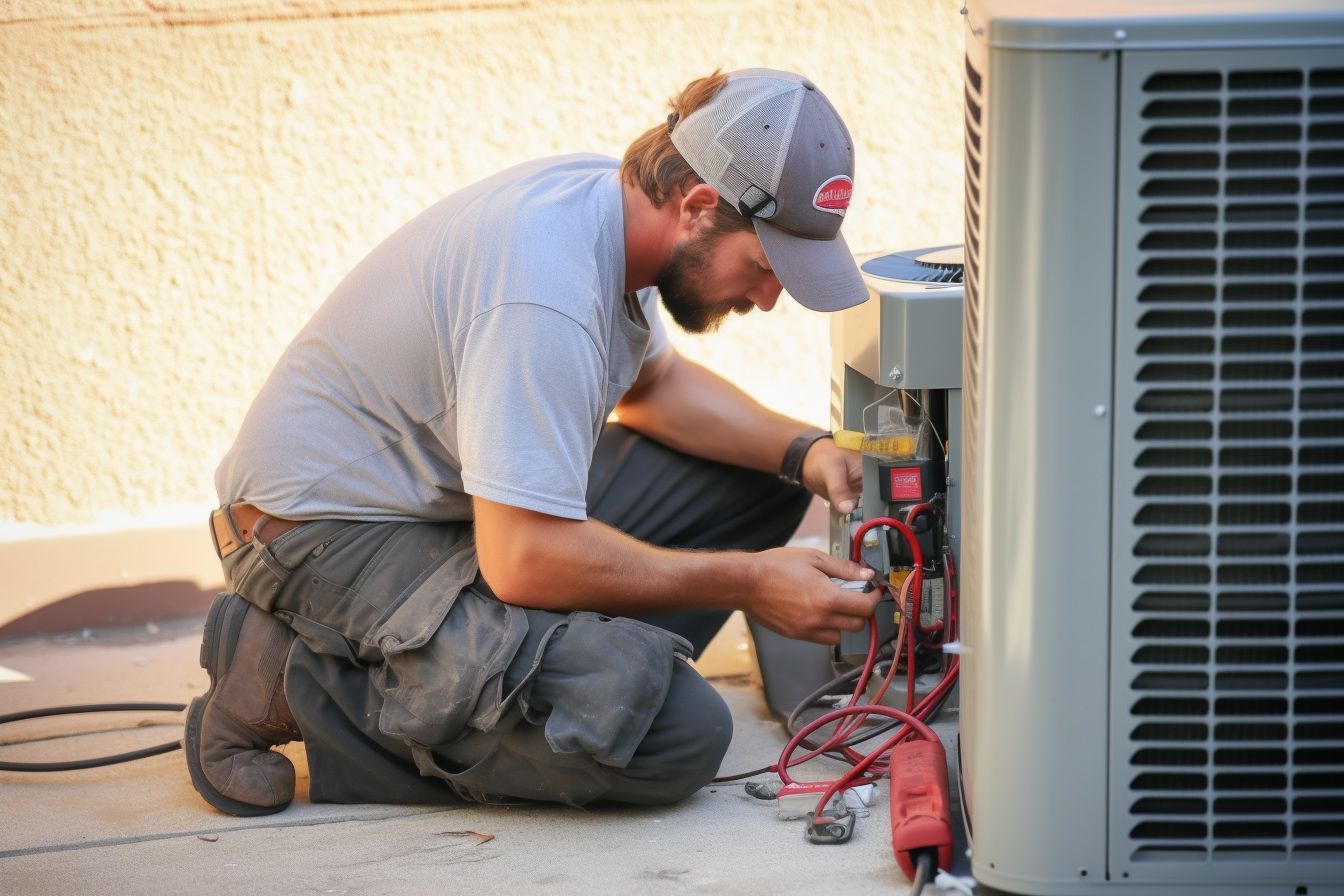
A furnace that hasn't been serviced in years isn't just less efficient — it's a system running on borrowed time. In Salt Lake City, where winters bring extended cold snaps, sub-freezing overnight lows, and weeks-long periods of heavy heating demand, a neglected system is most likely to fail exactly when you need it most.
Hill Heating & Air provides professional heating maintenance for homeowners throughout Salt Lake City, UT. A fall tune-up before heating season gives you confidence that your furnace, heat pump, or boiler has been inspected, cleaned, tested, and cleared for the months ahead — including a combustion safety check that protects your family from carbon monoxide risk.
What's Included in a Heating Maintenance Visit
Heating maintenance means something specific — not a quick visual inspection and a filter change. Here is exactly what Hill Heating & Air technicians check and service during a standard furnace tune-up:
Combustion Safety — The Most Important Check
This is what separates a thorough heating maintenance visit from a surface-level checkup, and it's the part most homeowners don't think to ask about.
- Combustion analysis — we measure the flue gases produced during burner operation to verify the furnace is burning cleanly and efficiently. Incomplete combustion produces carbon monoxide. We catch this before it becomes a hazard.
- Heat exchanger inspection — cracks or holes in the heat exchanger allow combustion gases — including CO — to enter the air your family breathes. We inspect the heat exchanger visually and with the system running.
- Flue and venting check — we inspect the flue pipe and venting system for blockages, corrosion, proper slope, and secure connections. A blocked or leaking flue can push combustion gases back into the home.
- Carbon monoxide detector check — we note whether your home has working CO detectors near sleeping areas, and flag it if not. A furnace in good working order is the first line of defense; a functioning CO detector is the second.
Burner and Ignition System
- Inspect and clean burners — dirty burners cause uneven flame, incomplete combustion, and reduced heat output. We clean and inspect each burner for proper operation.
- Test igniter — hot surface igniters are one of the most common furnace failure points. We measure the igniter's resistance to identify ones approaching the end of their life before they fail.
- Test flame sensor — a dirty or failing flame sensor shuts the furnace down immediately after ignition. We clean and test it.
- Check gas valve operation and gas pressure at the manifold.
Blower and Airflow
- Inspect and clean the blower wheel — a dust-coated blower wheel moves significantly less air than a clean one, reducing heat distribution and making the system run longer to reach setpoint.
- Test blower motor amperage — a motor drawing above its rated amperage is working too hard and approaching failure.
- Inspect the air filter and advise on replacement type and schedule — the right filter for your system matters as much as replacing it regularly.
- Check all supply and return registers are open and unobstructed, and verify the system is producing proper airflow throughout the home.
Electrical and Controls
- Test capacitors — capacitors support motor startup and are a frequent failure point in heating systems, particularly older ones. We test start and run capacitors and flag weak ones.
- Inspect all electrical connections, terminals, and wiring for signs of corrosion, loosening, or heat damage.
- Test the control board and safety switches — including the high-limit switch that prevents the furnace from overheating.
- Verify thermostat calibration and test the heating cycle from the thermostat call through full operation.
For Heat Pump Systems
- Inspect refrigerant lines and connections for signs of leaks or wear.
- Test defrost cycle operation — a heat pump that can't defrost properly loses efficiency rapidly in cold weather and can ice over.
- Check auxiliary and emergency heat strips — these are the backup heat source when outdoor temperatures drop below the heat pump's efficient range. They need to be working before you need them.
- Test reversing valve operation — the component that switches the system between heating and cooling modes.
For Boiler Systems
- Check system pressure and inspect the expansion tank and pressure relief valve.
- Test the circulator pump — if the pump fails, heated water stops moving through the system and the boiler shuts down.
- Bleed air from radiators or radiant loops — trapped air creates cold spots and reduces system efficiency.
- Inspect the heat exchanger and burner assembly, and test for proper combustion.
Why Fall Is the Right Time to Schedule
The best time for heating maintenance in Salt Lake City is September or October — before the first cold snap arrives and before every other homeowner in the valley is calling for the same appointment.
You get the time slot you want
HVAC schedules fill fast once temperatures drop. Scheduling in fall means you choose when — not whatever's available during the first cold week of November.
Parts can be sourced without urgency
If the technician finds a component that needs replacing — a cracking igniter, a weakening capacitor — there's time to order and install it before the system is needed daily.
Problems get addressed on your schedule
A maintenance visit in fall that finds low gas pressure or a marginal heat exchanger gives you time to make decisions without a cold house adding pressure to the situation.
Warranty compliance
Many manufacturer warranties and extended service agreements require documented annual maintenance. A fall tune-up keeps your coverage intact.
Heating Maintenance and Carbon Monoxide Safety
Carbon monoxide is produced whenever fossil fuels burn — natural gas, propane, oil. A properly operating furnace vents CO outside through the flue. When something goes wrong — a cracked heat exchanger, a blocked flue, incomplete combustion — that CO can enter the living space instead.
CO is colorless and odorless. Most people don't know there's a problem until someone in the home develops symptoms — headache, dizziness, nausea — or a detector goes off. Annual heating maintenance is one of the most effective ways to prevent CO exposure, because it's the inspection that finds the conditions that lead to CO problems before they develop.
Every heating maintenance visit from Hill Heating & Air includes a combustion analysis and heat exchanger inspection. We also note the presence and placement of CO detectors and flag any concerns. In Salt Lake City, where homes are sealed tightly during long inversion periods, this check carries extra weight.
Annual Maintenance Plans
Remembering to schedule a furnace tune-up every fall is one of those things that's easy to intend and easy to forget. A maintenance plan removes that friction.
Hill Heating & Air offers annual maintenance plans that cover both your fall heating tune-up and your spring AC tune-up — so both systems are serviced before the season they'll be worked hardest. Plan members receive priority scheduling, which matters during the busy periods at the start of heating and cooling seasons, and discounts on any repairs that come up during the year.
For homeowners who've already dealt with a mid-winter breakdown, or who have an aging system they're trying to get the most out of, a maintenance plan is usually an easy decision.
What Homeowners Can Do Between Service Visits
Professional heating maintenance handles what requires tools and training. Between visits, there are a few things homeowners can manage themselves that have a real impact on system performance:
- Replace air filters on schedule — This is the single most impactful thing a homeowner can do for their heating system. A clogged filter restricts airflow, makes the furnace run longer, and can cause overheating that trips the high-limit switch. Check filters monthly during heavy use and replace every 1–3 months depending on filter type and household conditions.
- Keep vents open and clear — Closing vents in unused rooms doesn't save energy — it increases static pressure in the duct system and stresses the blower motor. Keep supply and return vents open and unobstructed.
- Check the area around your furnace — Don't store items against or near the furnace. Keep the area clear of combustibles and make sure the combustion air intake isn't blocked.
- Test your carbon monoxide detectors — Replace batteries annually and test CO detectors monthly, particularly before and during heating season. Detectors should be located on each floor and near sleeping areas.
- Listen for changes — A new noise — a bang on startup, a rattle during operation, a squeal from the blower — is worth noting and mentioning at your next service visit or scheduling a check if it's persistent.
Frequently Asked Questions (FAQ)
Schedule Your Heating Tune-Up Before Winter
Hill Heating & Air provides thorough heating maintenance throughout Salt Lake City, UT — combustion safety checks, full system inspections, and tune-ups that keep your system reliable when temperatures drop.