
Heating Installation and Replacement in Salt Lake City, UT
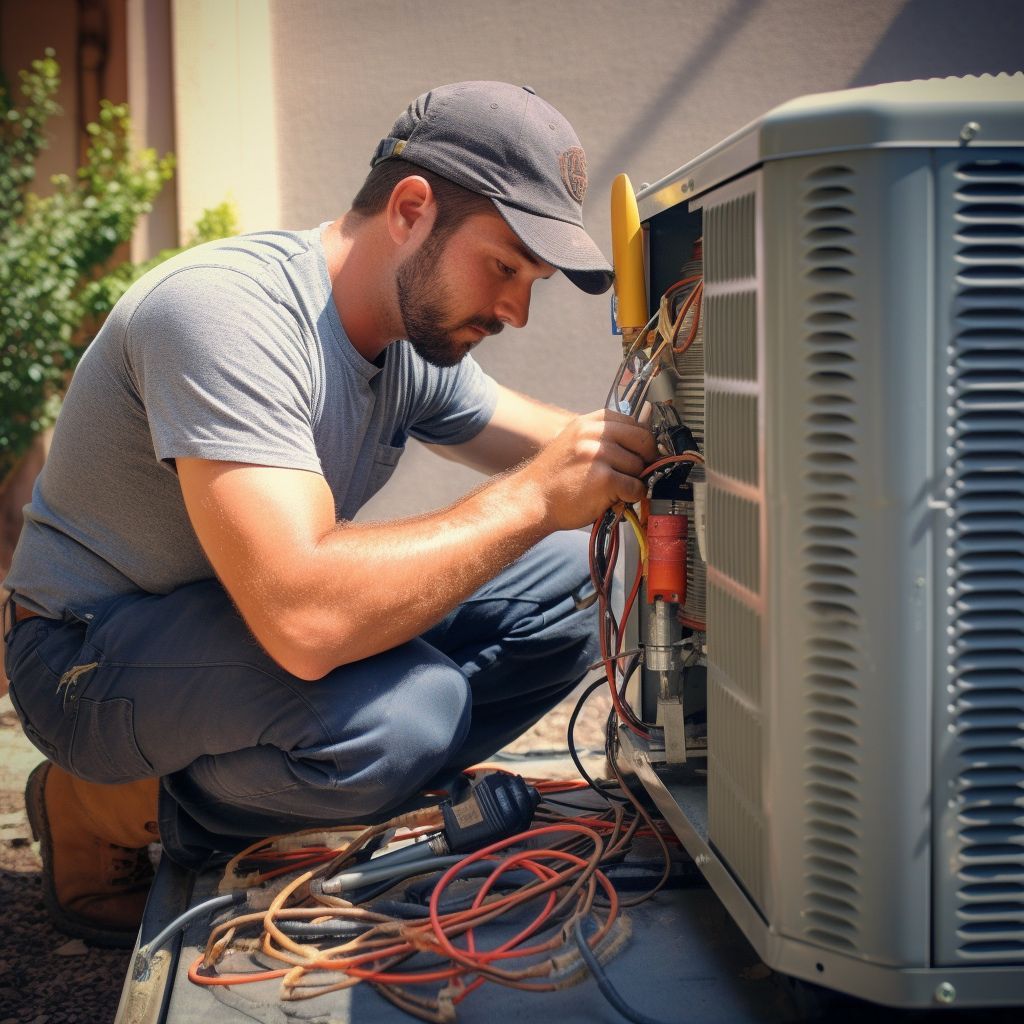
Salt Lake City winters are cold. The valley averages over 50 nights below freezing each year, and stretches of single-digit temperatures aren't unusual. A heating system that's undersized, aging, or improperly installed isn't just uncomfortable — it's a real problem when temperatures drop and you're depending on it.
Hill Heating & Air installs and replaces heating systems for homeowners throughout Salt Lake City, UT. Whether you're replacing a furnace that's reached the end of its life, upgrading to a more efficient system, or installing heat in a space that didn't have it, we size and install every system to match your home and the demands of this specific climate.
Signs Your Heating System Needs to Be Replaced
Heating systems don't usually fail without warning. These are the signs that replacement is the more sensible path forward:
The system is 15–20 years old
Most gas furnaces last 15–20 years with regular maintenance. Beyond that, efficiency drops, parts become harder to source, and the risk of unexpected failure rises sharply — often at the worst possible time.
Heating costs keep climbing
A furnace losing efficiency forces longer run times to reach the same temperature. If your gas bills have crept up year over year without a change in usage, the system's performance is likely declining.
Repairs are becoming frequent
One repair in a decade is normal. One repair every season means the system is wearing out across multiple components — and the next call is usually more expensive than the last.
Uneven heating throughout the home
Rooms that are significantly colder than others often point to a system that's struggling to distribute heat properly — either undersized, losing output, or fighting ductwork problems it no longer has the capacity to overcome.
The system runs but doesn't reach temperature
A furnace that runs continuously without bringing the home to the thermostat setpoint is working at the edge of its capacity. In a Salt Lake City winter, that's not a minor inconvenience.
Yellow or orange burner flame
A gas furnace should burn with a steady blue flame. Yellow or orange flames can indicate incomplete combustion and a potential carbon monoxide risk — a reason to have the system evaluated immediately.
Heating System Options for Salt Lake City Homes
The right heating system depends on your home's construction, existing infrastructure, fuel source, and efficiency goals. Hill Heating & Air installs and replaces several types of systems — here's how each fits Salt Lake City's conditions:
Gas Furnaces
The most common heating system in Salt Lake City and throughout Utah. Natural gas furnaces are reliable, capable of heating large homes quickly, and well-suited to the region's cold winters. Modern high-efficiency gas furnaces (96%+ AFUE) extract significantly more heat from each unit of fuel than older 80% AFUE models, with meaningful long-term savings on utility bills. For homes already connected to natural gas, a furnace replacement is usually the most straightforward path.
Heat Pumps
Heat pumps have improved substantially in cold-weather performance over the last several years. Modern cold-climate heat pumps operate efficiently down to temperatures well below freezing — which was historically the limitation that made them impractical for Utah winters. A heat pump handles both heating and cooling in one system, and in milder winter stretches can be significantly more efficient than a gas furnace.
Boilers and Radiant Heat Systems
Boilers heat water and distribute it through radiators or in-floor radiant tubing. Radiant heat is known for comfort — it warms surfaces and objects rather than circulating air, which produces a more even, consistent warmth without the drafts or dust movement of forced-air systems. Boiler systems are common in older Salt Lake City homes and in custom builds where radiant floor heat is specified. We install and replace both traditional and high-efficiency condensing boilers.
Ductless Mini-Split Heat Pumps
For spaces without existing ductwork — additions, finished basements, garages, or older homes being upgraded for the first time — a ductless mini-split heat pump provides both heating and cooling without requiring a major duct installation. Individual wall-mounted units allow zone-by-zone temperature control, and modern cold-climate models maintain strong performance even in sub-freezing temperatures.
Dual-Fuel Systems
A dual-fuel system pairs a heat pump with a gas furnace. The heat pump operates as the primary heating source during moderate temperatures, where it's most efficient. When temperatures drop below a set threshold — typically around 30–35°F — the system automatically switches to the gas furnace, which performs better in extreme cold. For Salt Lake City's climate, where winters bring both mild stretches and hard cold snaps, dual-fuel systems offer an efficient and practical solution.
Why Proper Sizing Matters More Than Most Homeowners Realize
The most common mistake in heating installation isn't poor equipment — it's incorrect sizing. Both oversized and undersized systems cause problems:
- An oversized furnace short-cycles — it heats the home too quickly, shuts off, and restarts constantly. This rapid cycling is hard on the heat exchanger, creates uneven temperatures, and shortens the system's lifespan.
- An undersized furnace runs continuously during cold snaps without reaching the thermostat setpoint — exactly the scenario you want to avoid on the coldest nights of a Salt Lake City winter.
Hill Heating & Air performs a Manual J load calculation on every installation — a room-by-room analysis that accounts for your home's square footage, ceiling height, insulation values, window area, orientation, and local climate data. This determines the correct heating capacity for your specific home, not a rough estimate based on square footage alone.
The Installation Process
Here's what to expect when you schedule a heating installation or replacement with Hill Heating & Air:
- In-home assessment — We evaluate your home's heating load, existing equipment, ductwork condition, fuel source, and any constraints that affect system selection.
- Equipment recommendation — We walk you through the options that make sense for your home — system type, efficiency rating, brand — and explain the tradeoffs. No pressure toward any particular choice.
- Scheduling — We work around your timeline. If your system has already failed during cold weather, we treat the job with urgency. For planned replacements, we schedule at your convenience.
- Removal of old equipment — We remove and properly dispose of your existing system, including safe handling of any refrigerants in heat pump systems.
- Installation — Your new system is installed to manufacturer specifications, including gas line connections, venting, electrical, and thermostat wiring. We follow all local code requirements.
- Testing and walkthrough — We run the system through a complete operational test, verify safe combustion and heat output, and walk you through the thermostat, filter schedule, and anything specific to your new equipment.
Heating Systems Built for Utah Winters
Not every HVAC company installs heating systems with Salt Lake City's specific conditions in mind. A few things that matter here and inform every installation we do:
- Cold snap performance — The Salt Lake Valley regularly sees stretches of single-digit or sub-zero temperatures during January and February. We size and select systems that perform at actual worst-case temperatures, not just average winter conditions.
- Altitude considerations — Salt Lake City sits at 4,226 feet above sea level. Gas combustion at altitude behaves differently than at sea level — furnaces need to be rated and adjusted for high-altitude operation to burn safely and efficiently. This is a step that gets overlooked by less experienced installers.
- Inversion season air quality — Salt Lake City's winter inversions can concentrate pollutants in valley air. Homes with tight envelopes and well-maintained HVAC systems — including good filtration — handle inversion events better. We factor indoor air quality into our equipment discussions when relevant.
- Ductwork condition —
Older Salt Lake City homes often have aging ductwork that leaks significantly. A new, high-efficiency furnace installed into leaky ducts won't deliver the efficiency it's rated for. We inspect ductwork as part of every installation assessment and flag issues before they undermine the new system.
Frequently Asked Questions (FAQ)
Get a Free Estimate on Your New Heating System
Hill Heating & Air installs and replaces heating systems throughout Salt Lake City, UT. Honest recommendations, correct sizing, and installation done right before winter.