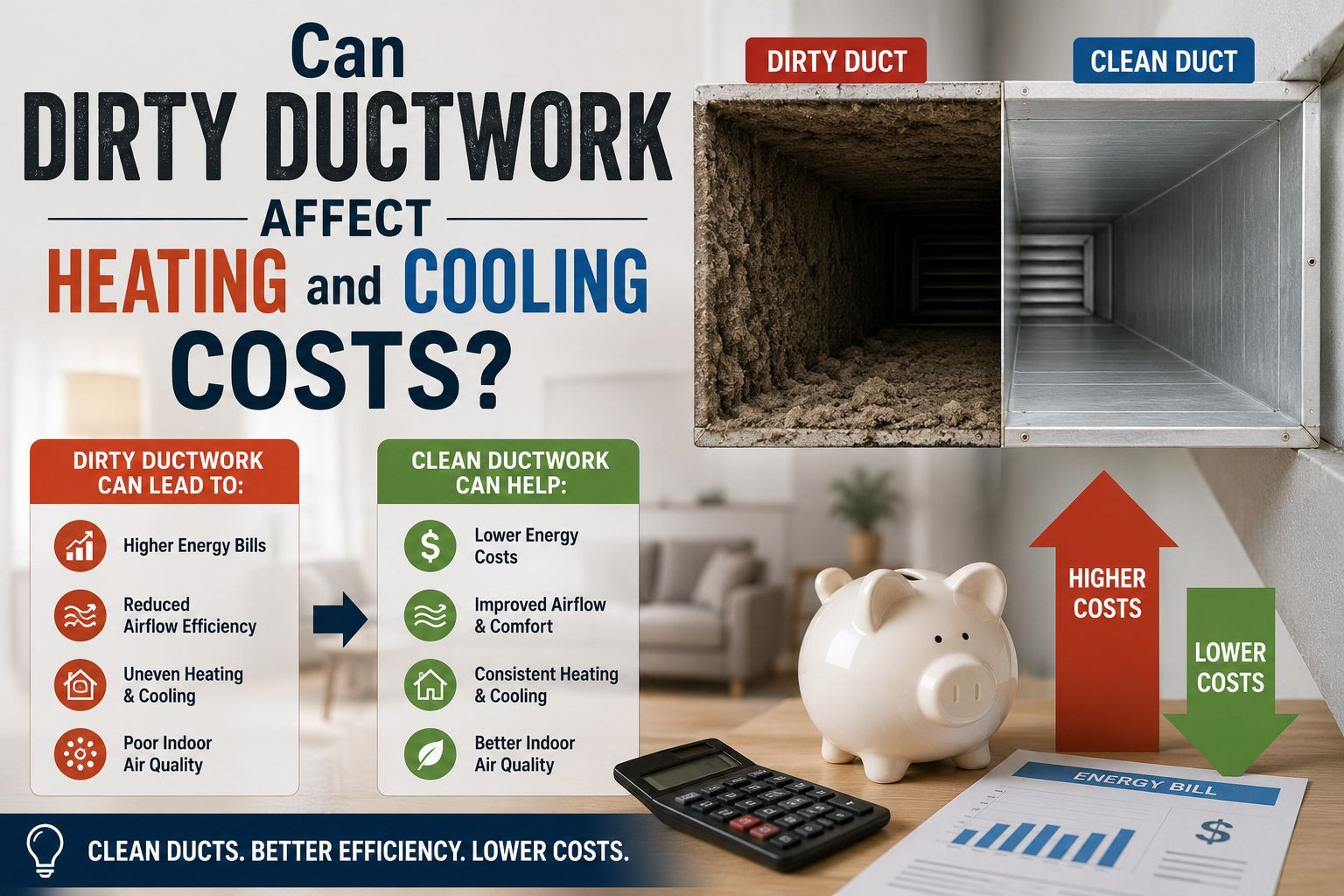
Can Dirty Ductwork Affect Heating and Cooling Costs?
July 26, 2026
Introduction
When homeowners think about HVAC efficiency problems, they usually focus on the furnace or air conditioner itself. The ductwork hidden behind walls, ceilings, and crawlspaces rarely gets much attention unless airflow problems become obvious.
However, dirty ductwork can quietly affect how efficiently heated and cooled air moves throughout the home. Dust, debris, pet hair, construction particles, and other contaminants may gradually collect inside the duct system over time. As buildup increases, airflow restrictions and circulation problems can force the HVAC system to work harder during normal operation.
In South Jordan and throughout Utah, where HVAC systems handle both summer cooling and winter heating demands, airflow efficiency plays a major role in overall energy usage and indoor comfort.
HVAC Systems Depend on Proper Airflow
Heating and cooling systems are designed around balanced airflow. The furnace or air conditioner conditions the air, while the duct system distributes that air throughout the home.
If airflow becomes restricted anywhere in the system, efficiency usually drops.
Dirty Ducts Can Restrict Air Movement
Over time, ductwork may accumulate:
- Dust
- Pet dander
- Insulation particles
- Construction debris
- Dirt pulled through vents
As buildup increases, airflow pathways may become narrower in certain sections of the system.
Reduced Airflow Often Leads to Longer Runtime
When conditioned air cannot move efficiently through the house, the HVAC system may run longer trying to maintain the thermostat setting.
This often contributes to:
| Airflow Issue | Possible Effect |
|---|---|
| Restricted circulation | Longer heating cycles |
| Weak vent airflow | Uneven room temperatures |
| Reduced return airflow | System strain |
| Poor air distribution | Increased energy usage |
The system still functions, but it operates less efficiently than intended.
Dust Buildup Can Affect HVAC Components Too
Dirty ductwork does not only affect airflow inside the ducts themselves. The buildup may also impact other HVAC components connected to the system.
Blower Components Experience Additional Strain
The blower motor is responsible for moving air throughout the duct system.
When airflow becomes restricted, the blower may need to work harder to maintain circulation. Over time, that additional strain may affect:
- Motor performance
- Energy usage
- Component lifespan
This becomes more noticeable during periods of heavy HVAC demand in Utah weather extremes.
Dirty Air Can Reach Sensitive System Areas
Dust and debris circulating through the duct system may eventually collect on:
- Evaporator coils
- Blower wheels
- Air filters
- Return vents
As buildup spreads through the HVAC system, efficiency may continue declining gradually.
Uneven Temperatures Often Point to Airflow Problems
One of the most common signs of duct-related airflow issues is inconsistent indoor comfort.
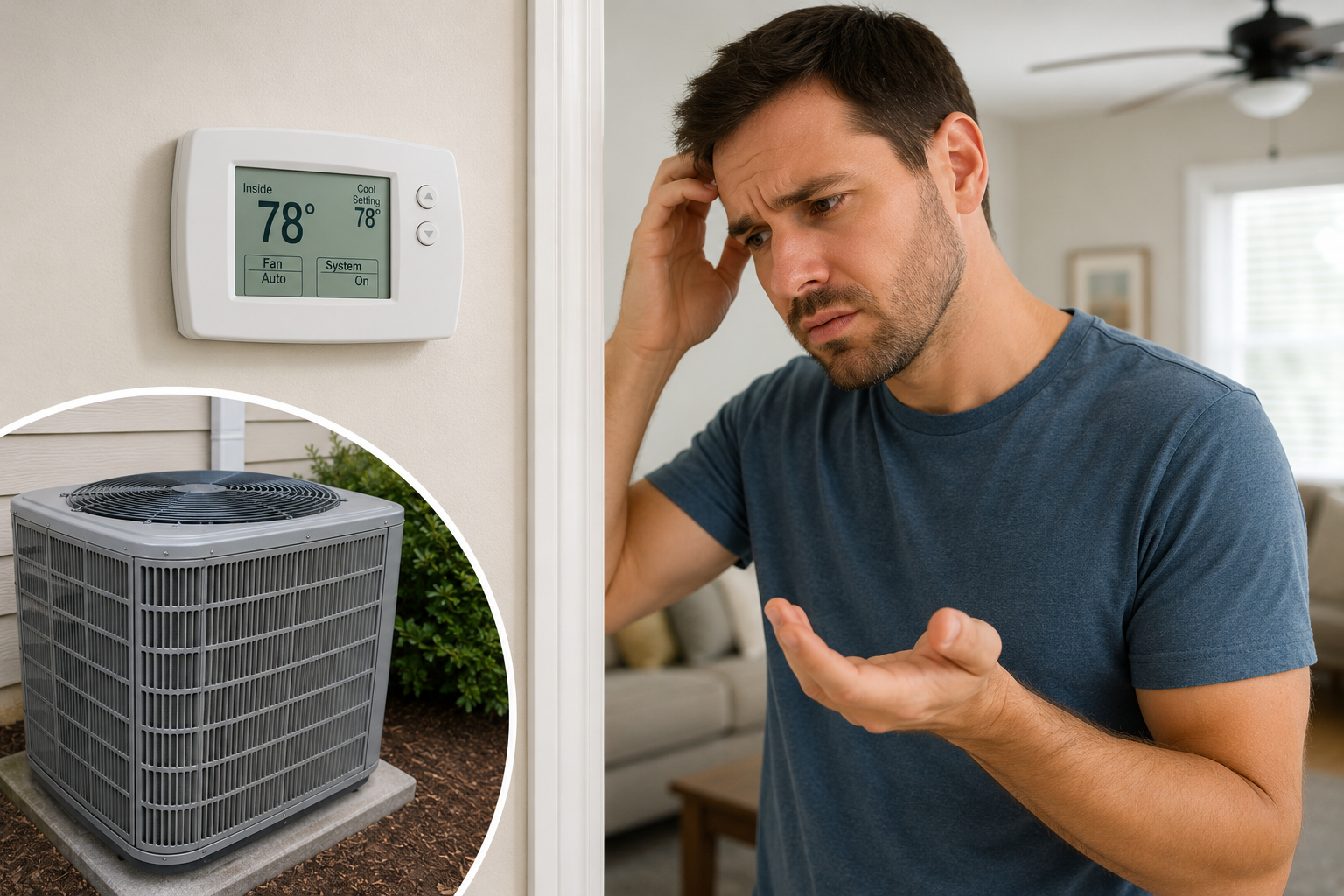
Certain rooms may feel significantly warmer or cooler than others despite the HVAC system running normally.
Some Areas of the Home Receive Less Airflow
Dirty or restricted duct sections may reduce airflow reaching certain spaces.
Homeowners sometimes notice:
- Weak airflow from vents
- Hot upstairs rooms
- Cold basement areas
- Rooms that never reach the thermostat setting
In many cases, the HVAC equipment itself is not the only cause of the problem.
South Jordan Homes Often Experience Seasonal Airflow Stress
During both hot summers and cold winters, HVAC systems operate longer and more frequently.
If airflow is already restricted because of dirty ductwork, the system may struggle even more during peak seasonal demand.
Dirty Ductwork Can Increase Filter Contamination
Air filters help trap airborne particles before they circulate through the HVAC system.
However, dirty duct systems may introduce additional debris continuously.
Filters May Clog Faster Than Expected
Homes with dirty ductwork sometimes experience:
- Rapid filter discoloration
- Reduced airflow shortly after filter changes
- More frequent replacement needs
This is especially common in homes with:
| Household Condition | Why Dust Levels Increase |
|---|---|
| Pets | Hair and dander buildup |
| Renovation work | Construction dust |
| Older homes | Aging insulation particles |
| Heavy HVAC usage | Increased air circulation |
Frequent filter restriction further reduces airflow efficiency.
Restricted Filters Increase System Strain
Once filters become clogged, the HVAC system must work harder to move air throughout the house.
That additional workload may increase:
- Heating costs
- Cooling costs
- Blower wear
- System runtime
The energy impact often develops gradually over time rather than appearing suddenly.
Leaky or Damaged Ductwork Can Make Efficiency Worse
Dirty ducts are sometimes accompanied by additional duct system problems that affect performance even further.
Air Leaks Waste Heated and Cooled Air
Older duct systems may develop:
- Loose connections
- Cracked seals
- Small openings
- Damaged insulation
Conditioned air may escape before reaching living spaces, forcing the HVAC system to run longer.
Dirt Buildup Sometimes Reveals Deeper Problems
In some homes, excessive dust inside ductwork may indicate:
- Poor duct sealing
- Return air leaks
- Attic contamination
- Crawlspace air intrusion
These issues can affect both energy efficiency and indoor air quality.
Indoor Air Quality May Be Affected Too
Although heating and cooling efficiency is a major concern, dirty ductwork may also influence the air circulating throughout the home.
Dust and Allergens Can Recirculate Repeatedly
Contaminants inside duct systems may continue circulating during normal HVAC operation.
This may include:
- Dust particles
- Pet dander
- Pollen
- Debris residue
Some homeowners notice worsening indoor dust accumulation or allergy irritation when duct systems become heavily contaminated.
Airflow Problems Can Affect Comfort
Restricted circulation may also contribute to:
- Stuffy rooms
- Uneven temperatures
- Reduced ventilation feel
- Inconsistent airflow throughout the home
The HVAC system may technically still operate, but indoor comfort often declines.
Preventive HVAC Maintenance Helps Protect Airflow Efficiency
Ductwork is only one part of overall HVAC airflow performance.
Regular maintenance helps identify circulation issues before they heavily affect system efficiency.
HVAC Inspections Often Include Airflow Evaluation
Maintenance visits may help identify:
- Weak airflow zones
- Filter restrictions
- Duct leakage concerns
- Dirty coil buildup
- Blower performance issues
These airflow-related problems often overlap with dirty duct conditions.
Homes With Heavy Dust Conditions May Need Closer Attention
Some South Jordan homes experience higher dust accumulation because of:
- Nearby construction
- Dry Utah conditions
- Renovation activity
- Pet-heavy households
These homes may experience airflow contamination more quickly than others.
Frequently Asked Questions About Dirty Ductwork
Can dirty ductwork increase energy bills?
Yes. Restricted airflow may force HVAC systems to run longer during heating and cooling cycles.
How does dirty ductwork affect airflow?
Dust and debris buildup can reduce how efficiently air moves through the duct system.
Can dirty ducts make some rooms hotter or colder?
Yes. Restricted airflow may reduce air delivery to certain areas of the home.
Why do HVAC filters clog faster in some homes?
Pets, dust, renovations, and dirty duct systems may all increase airborne debris.
Can dirty ductwork affect indoor comfort?
Yes. Airflow restrictions may contribute to uneven temperatures and reduced circulation.
Conclusion
Dirty ductwork can affect heating and cooling costs by restricting airflow, increasing HVAC runtime, and placing additional strain on heating and cooling components. Over time, dust buildup, airflow imbalance, and duct-related efficiency problems may gradually increase energy usage while reducing indoor comfort throughout the home.
For homeowners in South Jordan and throughout Utah, maintaining healthy airflow throughout the HVAC system can help improve efficiency and support more reliable heating and cooling performance year-round. Hill Heating & Air provides HVAC services and system support for homeowners looking to improve indoor comfort and airflow efficiency across the region.