What Happens If You Skip Annual AC Maintenance?
October 2, 2026
The System Seems Fine — So Why Bother?
It is an easy call to defer. The AC is running, the house is cooling, and nothing has broken down. Spending money on something that appears to be working feels unnecessary. But the logic of deferred maintenance only holds until it does not — and with HVAC systems, the moment it stops holding tends to arrive during a heat wave, at the worst possible time.
The consequences of skipping annual AC maintenance in Salt Lake City, Utah are not dramatic and immediate. They are gradual and compounding. Each skipped season adds a layer of wear, efficiency loss, and undetected risk. By the time something breaks, the homeowner has typically already spent more in elevated energy costs than the tune-ups would have cost, and is now facing an emergency repair or replacement on an urgent timeline.
Efficiency Drops and Energy Bills Rise Every Season
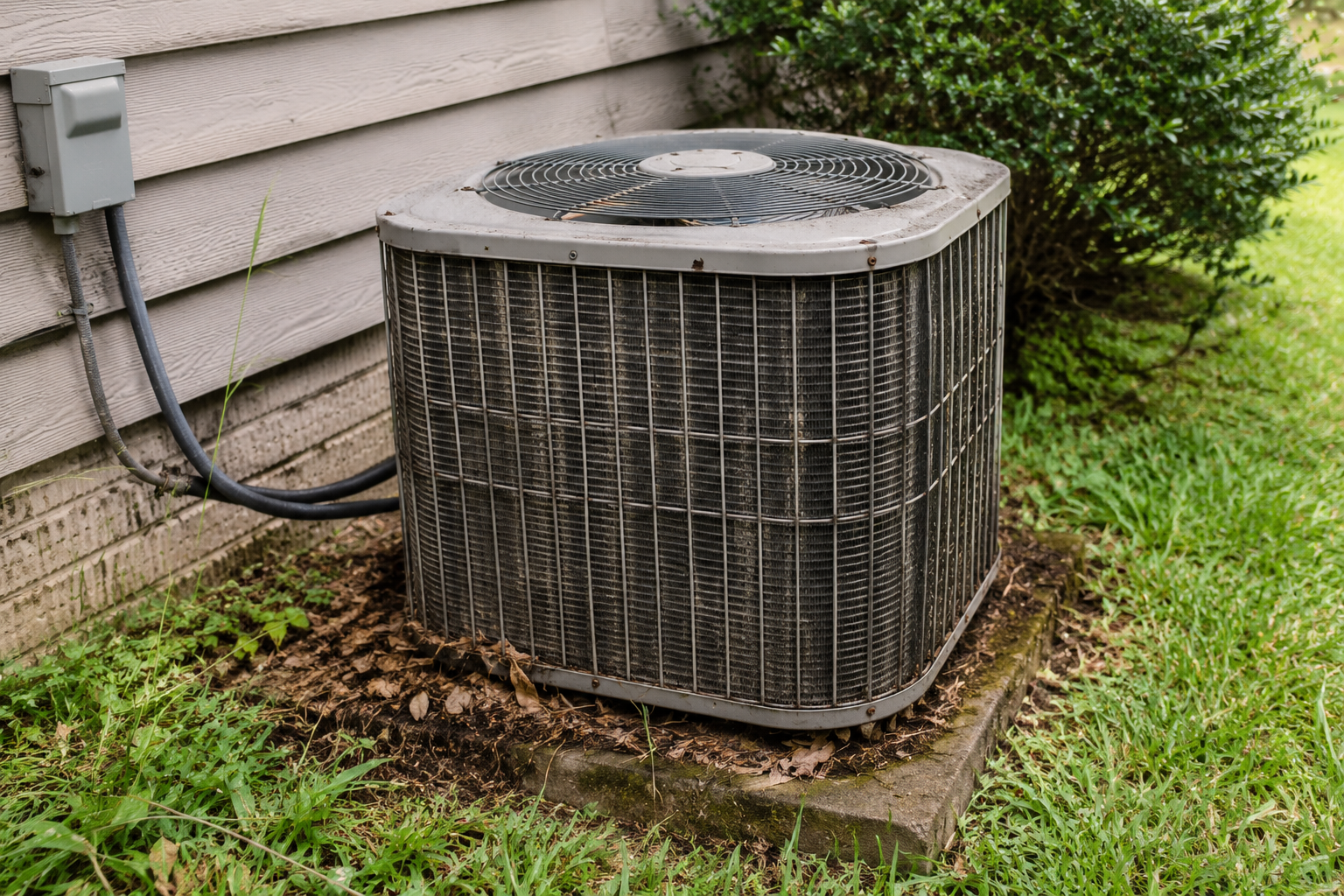
A properly maintained air conditioner runs at its designed efficiency — the level it was engineered to achieve. Skip maintenance, and that efficiency begins to erode. Dirty coils transfer heat less effectively. Motor bearings running without lubrication consume more electricity. Refrigerant levels that drift slightly low force the compressor to work harder. None of these changes is catastrophic on its own. Together, over one or two seasons, they add up.
Research from the Department of Energy suggests that a neglected system loses five to fifteen percent of its efficiency annually. For a Salt Lake City, Utah household paying $150 a month in combined cooling costs, that translates to $90 to $270 in extra electricity per year — for a problem that a $100 to $150 tune-up would have prevented. Over three skipped seasons, the math becomes difficult to ignore.
Small Developing Problems Become Expensive Failures
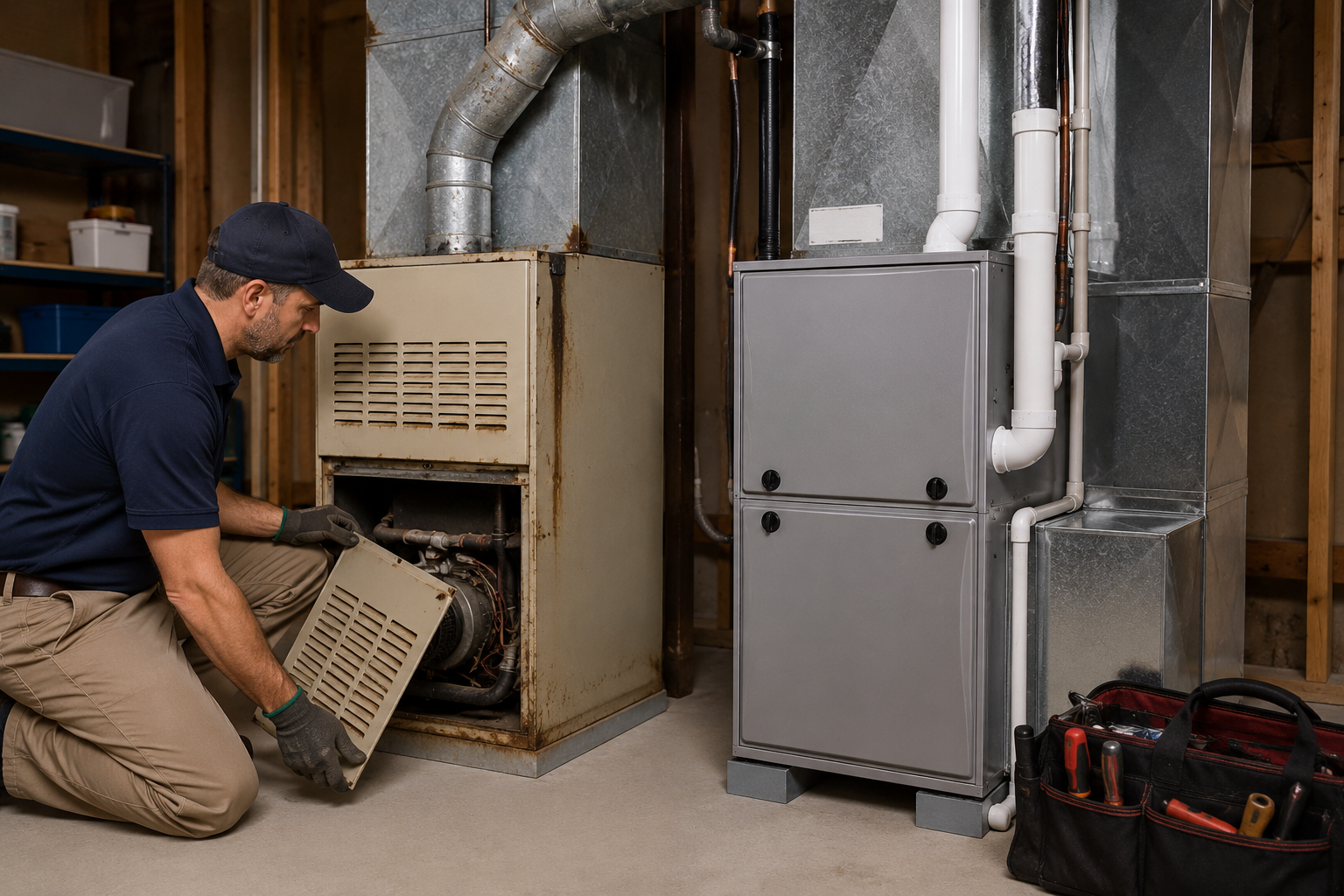
Annual maintenance is not just about cleaning and lubrication — it is a structured diagnostic checkpoint. A technician working through the system will find a capacitor testing outside specification, a refrigerant line developing a minor leak, or a contactor showing early signs of arcing. Identified early, each of these is a $100 to $300 repair. Left unaddressed, the consequences escalate quickly.
A failing capacitor that is not caught costs $150 to $300 to replace in isolation. If it fails mid-summer and takes the compressor down with it, the repair bill climbs to $1,500 to $2,500 or more. A slow refrigerant leak caught at an annual inspection means a straightforward seal and recharge. The same leak missed for two seasons may have damaged the compressor through low-refrigerant operation. The pattern repeats across capacitors, contactors, motor bearings, and electrical connections. Maintenance is not a service expense — it is a cost-avoidance tool.
The System's Lifespan Shortens Year by Year
An air conditioner receiving annual maintenance routinely lasts 15 to 20 years. The same system neglected may fail in 10 to 12 years. The difference is cumulative operational stress. Every hour the system runs with dirty coils, inadequate lubrication, or a slightly low refrigerant charge is an hour operating under more strain than it was designed to handle. That strain does not disappear when the system shuts off — it accumulates in the compressor windings, the fan motor bearings, and the electrical components.
In Salt Lake City, Utah, where air conditioning runs hard from late May through September, and where valley dust and cottonwood season add particulate load that accelerates coil fouling, this wear happens faster than in milder climates. An AC replacement in Utah runs $4,000 to $8,000 or more depending on system size. Extending a system's lifespan by four to six years through consistent annual maintenance is one of the highest-return home maintenance investments available.
Indoor Air Quality Gradually Declines
A well-maintained AC does more than control temperature — it filters and dehumidifies the air moving through your home. When the filter goes unchanged and the evaporator coil accumulates grime, both functions degrade. Airborne dust, allergens, and mold spores that a clean system would capture begin circulating through the ductwork instead. In Salt Lake City, Utah, where valley inversions already concentrate outdoor pollutants for weeks at a time, indoor air quality deserves active management, not passive neglect.
The specific risk with a neglected evaporator coil is microbial growth. Coils are dark, cool, and often damp — ideal conditions for mold and bacteria. Once established on the coil, these organisms release spores into the air stream every time the fan runs. Professional coil cleaning removes the substrate that allows this growth. Skipping that cleaning for multiple seasons creates a problem that is more difficult and more expensive to remediate than it would have been to prevent.
Frequently Asked Questions
After how many skipped seasons does the damage become serious?
Most systems begin showing measurable efficiency decline after just one missed service cycle. After two or three skipped seasons, the risk of component failure increases substantially. You may not notice it immediately in comfort, but energy bills and repair frequency will reflect the accumulated neglect. The earlier you resume maintenance, the lower the recovery cost.
Can I handle AC maintenance myself instead of hiring a technician?
Homeowners should handle filter changes and can safely rinse the outdoor condenser unit with a garden hose. But professional maintenance includes tasks that require tools and certification: measuring refrigerant charge with gauges, testing capacitor microfarad ratings, lubricating sealed motor bearings, checking static pressure, and calibrating thermostat readings. These are not improvised with household tools.
When is the best time of year to schedule AC maintenance in Utah?
Spring is ideal — before the cooling season begins and while HVAC companies still have open scheduling availability. In Salt Lake City, March through May is the practical window. Waiting until June means competing for appointments with every homeowner whose system just broke down in the first heat event of summer. Spring maintenance also catches cottonwood-season coil fouling before it runs all summer.
Can skipping maintenance void my equipment warranty?
It can. Many equipment manufacturer warranties include a maintenance provision. If you cannot provide documentation of regular professional service when making a warranty claim, the manufacturer may deny it — leaving you responsible for a repair that should have been covered. Check your warranty terms, or ask the company that installed your system what the requirements are.
What does a complete annual AC tune-up actually include?
A thorough service should cover refrigerant level measurement, evaporator and condenser coil cleaning, filter inspection or replacement, electrical connection tightening, capacitor and contactor testing, blower motor amperage check, condensate drain clearing, thermostat calibration verification, and a full system performance test. The technician should provide a written summary of findings before leaving.
A Small Investment That Prevents a Large One
Skipping AC maintenance is not a neutral choice — it is a decision to accept higher operating costs, higher repair risk, and a shorter equipment lifespan. In Salt Lake City, Utah, where the summer cooling season is long and the heat is genuine, an unexpected AC failure is more than an inconvenience.
Hill Heating & Air offers seasonal maintenance plans that keep systems running at their designed efficiency and catch developing problems before they become emergencies. If your AC has gone one or more seasons without professional service,
scheduling a visit before the next cooling season is the most cost-effective step you can take for your system right now.