How Energy-Efficient Upgrades Change Monthly Cooling Costs
March 29, 2026
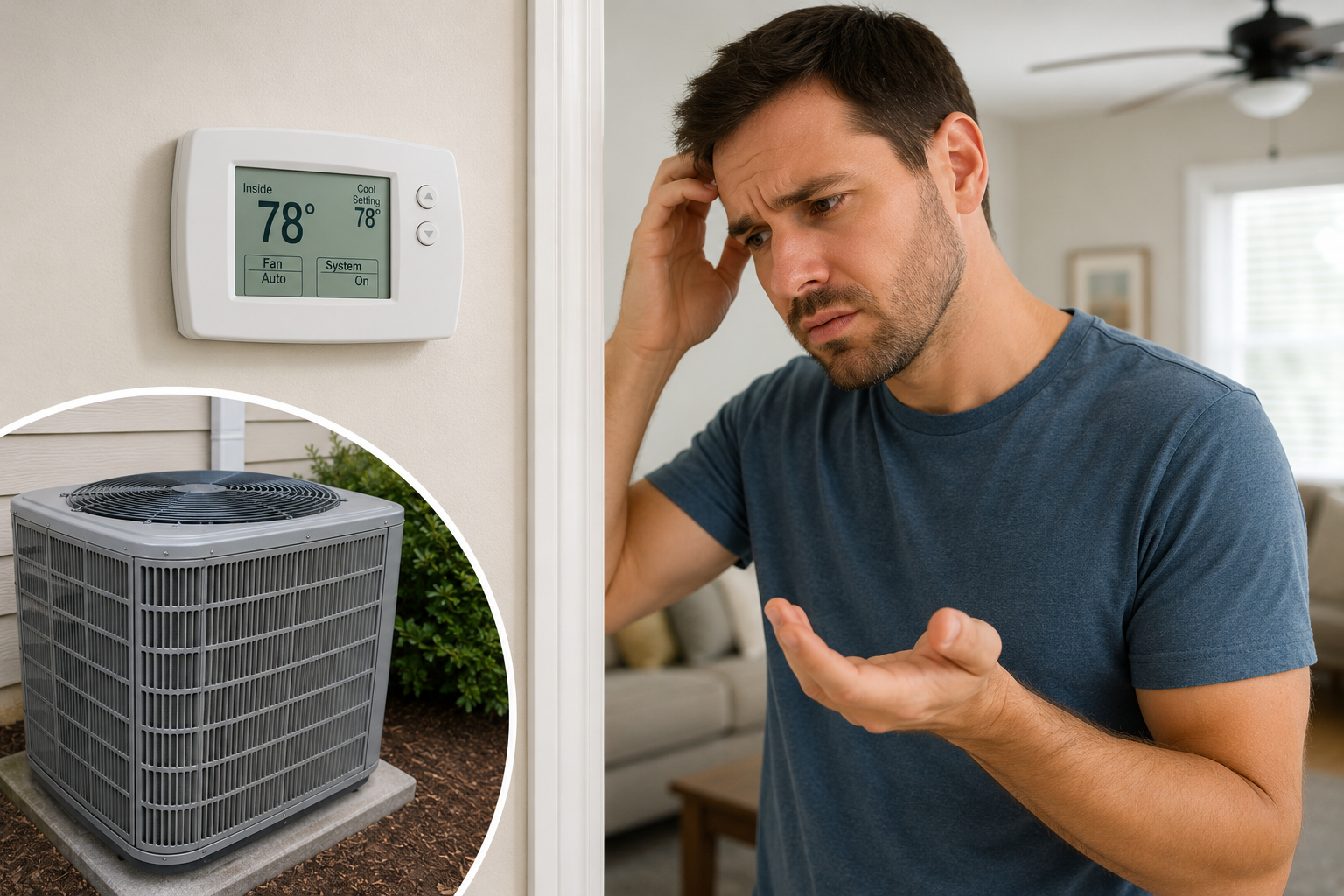
Cooling costs tend to creep up quietly. One summer, the bill is a little higher. The next, it jumps again. Most homeowners assume it’s just hotter weather or rising utility rates. What often goes unnoticed is how much system inefficiency contributes to that increase.
In South Jordan, Utah, air conditioners work hard through long, dry summers. As equipment ages and components wear down, systems use more energy to deliver the same comfort. Energy-efficient upgrades don’t just make a home feel better—they reshape how much electricity is needed every month.
This guide explains how specific
efficiency improvements change cooling costs and why the impact is often larger than homeowners expect.
What “Energy Efficiency” Really Means in Cooling
Energy efficiency is not just about buying a new air conditioner. It’s about how effectively the entire system moves heat out of the home using the least amount of electricity.
Cooling efficiency depends on:
- Equipment performance
- Airflow through ducts
- Insulation and sealing
- Thermostat control
- System sizing
When any of these are compromised, the system runs longer to achieve the same temperature. Longer run times equal higher bills.
Energy-efficient upgrades reduce wasted effort. They allow the system to reach comfort faster and maintain it with less power.
Upgrades That Directly Lower Cooling Costs
Different improvements target different sources of waste. Each reduces the amount of energy needed to cool the home.
High-Efficiency Air Conditioners
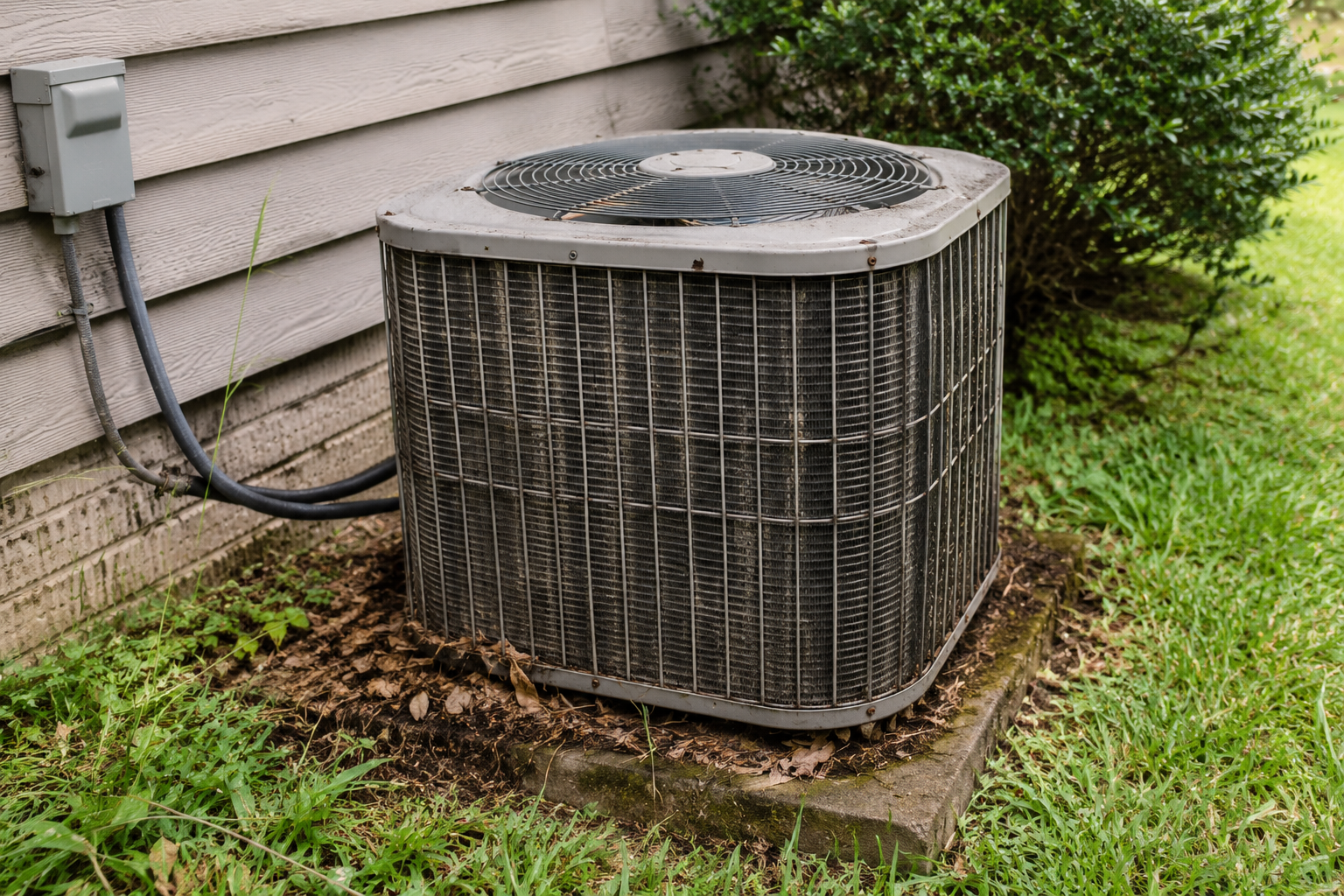
Modern systems with higher SEER ratings use advanced compressors and motors that consume less electricity per cooling cycle.
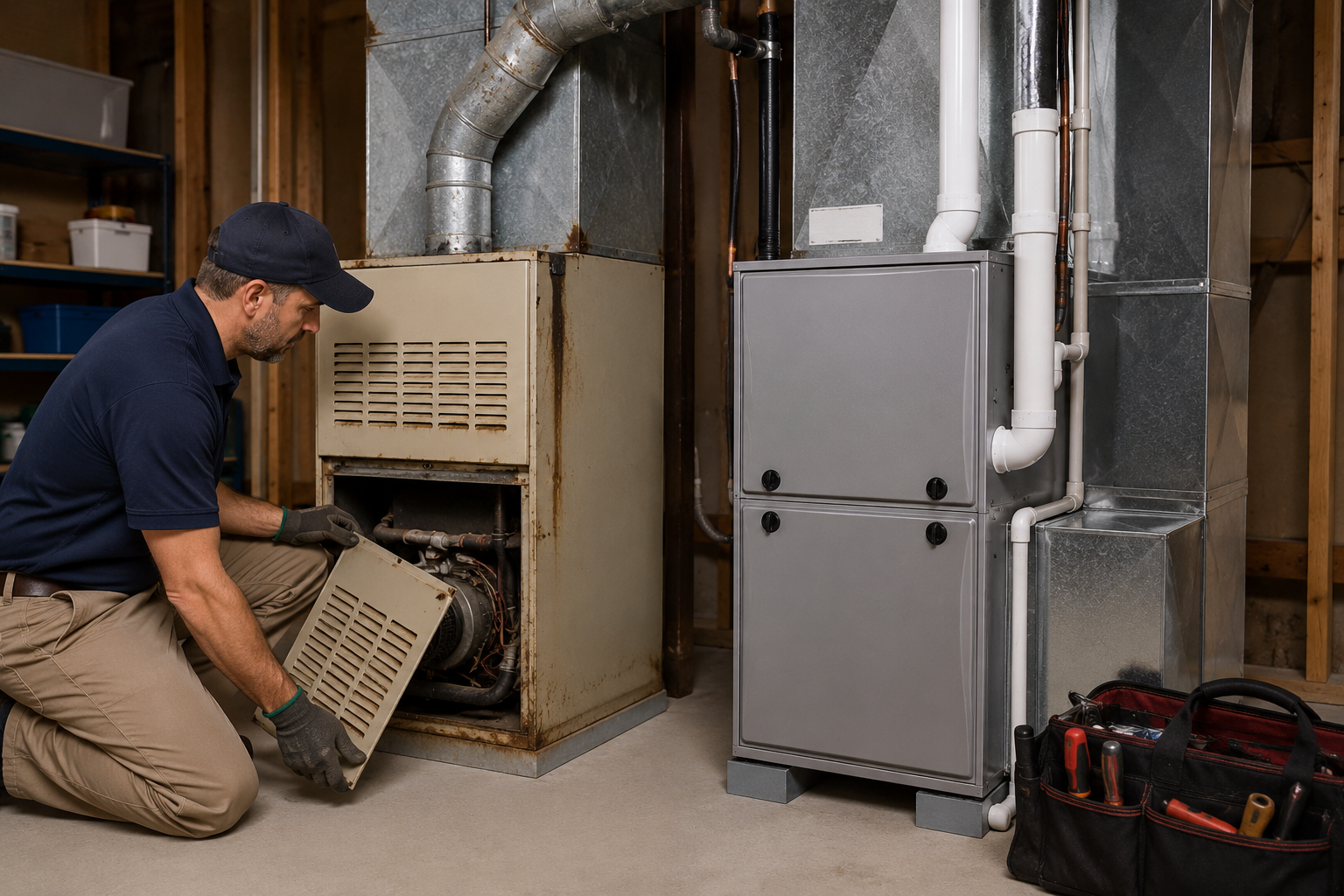
A jump from an older low-efficiency unit to a modern high-efficiency model can reduce cooling energy use dramatically. The system reaches target temperature faster and cycles more intelligently, avoiding constant on-off strain.
Variable-Speed Blowers and Compressors
Traditional systems operate at full power or not at all. Variable-speed technology adjusts output based on demand.
Instead of blasting air in short bursts, these systems run at lower speeds for longer periods. This smooth operation uses less energy, maintains steadier temperatures, and reduces peak electrical demand.
Monthly bills reflect that consistency.
Duct Sealing and Airflow Optimization
Leaky or poorly sized ducts waste cooled air before it ever reaches living spaces. That forces the system to run longer.
Sealing leaks and correcting airflow paths ensures that cooled air actually arrives where it’s needed. This alone can reduce energy waste significantly, especially in homes with attic or crawlspace duct runs.
Smart Thermostats
Smart controls reduce unnecessary runtime by learning schedules and adjusting temperatures automatically.
Instead of cooling an empty house all afternoon, the system ramps up closer to arrival. Even small adjustments—two or three degrees for a few hours—add up across a summer.
Insulation and Envelope Improvements
Cooling losses are not always mechanical. Heat entering through attics, walls, and windows forces the system to work harder.
Improving insulation or sealing gaps reduces heat gain. The air conditioner does less work to maintain comfort, lowering energy use each month.
How These Changes Affect Monthly Bills
Energy-efficient upgrades reshape cooling costs in three main ways:
- Shorter Run Times
The system reaches set temperature faster. - Lower Power Draw
Each cooling cycle uses less electricity. - Fewer Peak Spikes
Smoother operation avoids energy surges.
Instead of one dramatic drop, homeowners often see a steady flattening of summer bills. Where costs once climbed sharply during heatwaves, they become more predictable and manageable.
In South Jordan’s climate, this stability matters. Extended heat periods no longer translate into runaway expenses.
Efficiency vs. Perception
Many homeowners judge performance by comfort alone. If the house feels cool, the system is assumed to be “working fine.”
Efficiency problems do not always feel dramatic. They feel normal:
- The system runs a little longer
- The house cools a little slower
- Bills rise gradually
Upgrades reverse that trend quietly. Rooms cool faster. The system cycles less aggressively. Bills stabilize.
The change is not flashy. It is structural.
A Long-Term Cost Perspective
Energy-efficient upgrades are often evaluated by payback period, but their real value extends beyond math.
They provide:
- Predictable monthly expenses
- Reduced strain on equipment
- Longer system lifespan
- More consistent comfort
Cooling costs are not just seasonal. They are cumulative. A small monthly reduction compounds year after year.
Frequently Asked Questions
Do energy-efficient systems really lower bills?
Yes. Higher efficiency means less electricity is required to achieve the same cooling.
Is upgrading worth it if the system still works?
A functioning system can still be inefficient. Upgrades improve performance even before failure.
Which upgrade saves the most?
High-efficiency equipment and duct sealing typically deliver the largest impact.
Can small changes really matter?
Yes. Even modest improvements in airflow or control reduce runtime across an entire season.
Does climate affect the benefit?
Absolutely. In areas like South Jordan with extended summer heat, efficiency gains have greater impact.
Conclusion
Monthly cooling costs are shaped by how hard an HVAC system has to work. Energy-efficient upgrades reduce that workload by eliminating waste, improving airflow, and optimizing control.
For homeowners in South Jordan, Utah, these changes turn unpredictable summer bills into steady, manageable expenses. The system cools faster, runs smoother, and consumes less power doing it.
Hill Heating & Air helps homeowners identify which upgrades make the most sense for their homes, ensuring that efficiency improvements translate into real, lasting savings—not just better specifications on paper.