Can Delaying AC Repairs Increase Cooling Costs?
May 18, 2026
Introduction
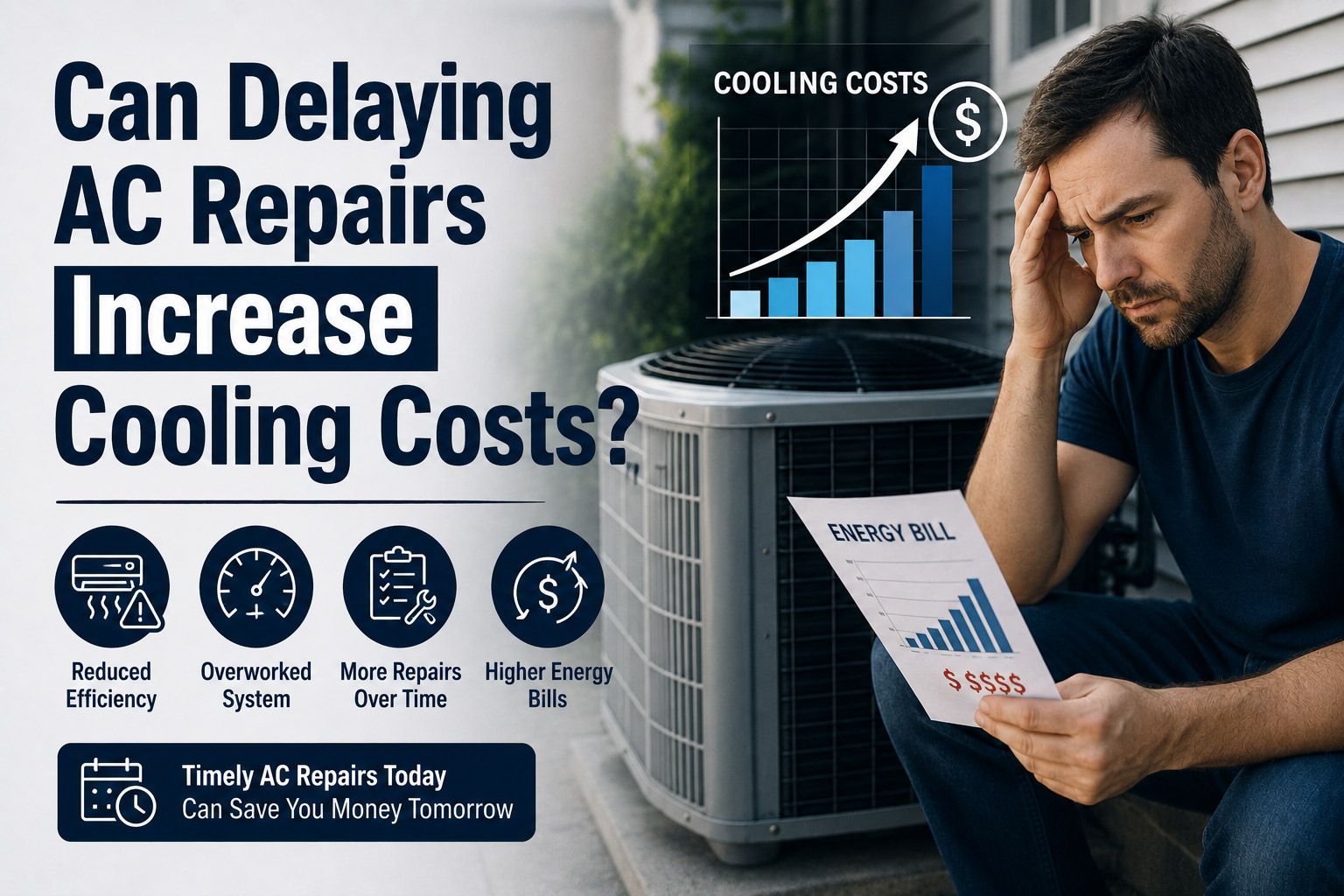
An air conditioner does not need to stop working completely to become expensive. In many South Jordan homes, cooling costs start climbing long before the system actually breaks down.
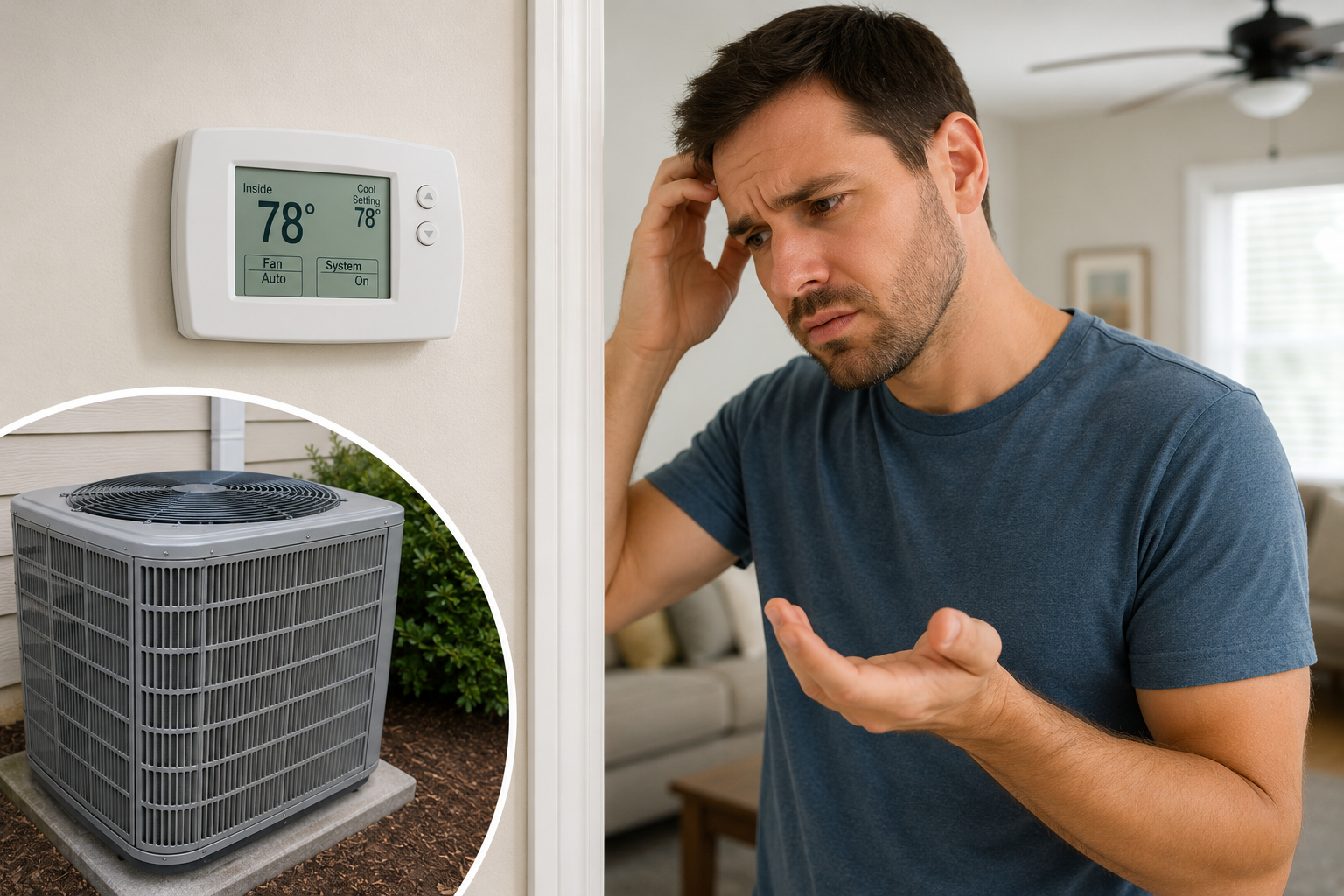
The AC still turns on, cold air still comes through the vents, and the thermostat eventually reaches the set temperature. Because everything appears functional on the surface, homeowners often postpone repairs for weeks or even months. What they may not realize is that the system could already be running far less efficiently than before.
Small cooling problems force an air conditioner to work longer and harder during Utah’s hotter months. As strain increases, energy usage rises, components wear down faster, and the original repair issue often becomes much larger than it was initially.
Longer Cooling Cycles Usually Mean Higher Energy Usage
One of the earliest signs of AC trouble is extended run time.
A healthy system should cool the home steadily without constantly running for long periods. When repairs are delayed, the unit often loses efficiency and needs more time to produce the same indoor temperature.
Small Performance Losses Add Up Quickly
Several minor issues can reduce cooling efficiency, including:
- Dirty evaporator coils
- Low refrigerant
- Weak airflow
- Failing capacitors
- Clogged filters
Even when the system still operates, these problems increase the amount of work required during each cooling cycle.
South Jordan Summers Increase System Stress
During hotter periods in Utah, air conditioners already operate under heavier demand. A struggling system may run almost continuously during peak afternoon temperatures.
That additional runtime often leads to:
| AC Condition | Possible Result |
|---|---|
| Reduced airflow | Longer cooling cycles |
| Low refrigerant | Poor heat transfer |
| Dirty condenser coil | Higher operating temperatures |
| Weak electrical components | System inefficiency |
The harder the system works, the more electricity it typically consumes.
Delayed Repairs Can Create Secondary Problems
Many homeowners postpone repairs because the system still technically cools the home. The issue is that HVAC components depend heavily on one another during operation.
When one part struggles, surrounding components often experience additional stress too.
A Minor Problem Can Spread Through the System
For example, restricted airflow may seem like a small issue initially. However, poor airflow can eventually affect:
- Evaporator coil temperature
- Compressor workload
- Blower motor performance
- System cycling frequency
Over time, the repair becomes more expensive because multiple components are now affected instead of just one.
Refrigerant Problems Often Escalate Quickly
Low refrigerant is one of the clearest examples of delayed repair costs increasing over time.
An AC system does not “use up” refrigerant naturally. If levels are low, there is usually a leak somewhere in the system.
When refrigerant problems are ignored:
- Cooling efficiency drops
- Compressor strain increases
- System temperatures rise
- Cooling cycles become longer
Eventually, compressor damage may occur, turning a smaller repair into a major replacement expense.
Poor Airflow Forces the AC System to Work Harder
Airflow problems are common in residential HVAC systems and often develop gradually enough that homeowners barely notice the change.
However, reduced airflow significantly affects cooling efficiency.
Restricted Airflow Affects Temperature Balance
Air conditioners rely on steady airflow to move heat out of the home properly.
Common airflow restrictions include:
- Dirty filters
- Blocked vents
- Duct leaks
- Blower motor problems
- Dirty evaporator coils
When airflow decreases, the system cannot distribute cooled air effectively throughout the house.
Uneven Cooling Usually Means Wasted Energy
Many South Jordan homeowners first notice airflow problems because certain rooms become warmer than others.
The thermostat may continue demanding cooling while parts of the house remain uncomfortable. As a result, the AC runs longer trying to compensate for uneven airflow conditions.
Dirty Components Reduce Cooling Efficiency
Even a functioning AC system loses efficiency when internal components become dirty.
This issue becomes more noticeable during heavy summer operation in Utah.
Condenser Coils Need Proper Heat Release
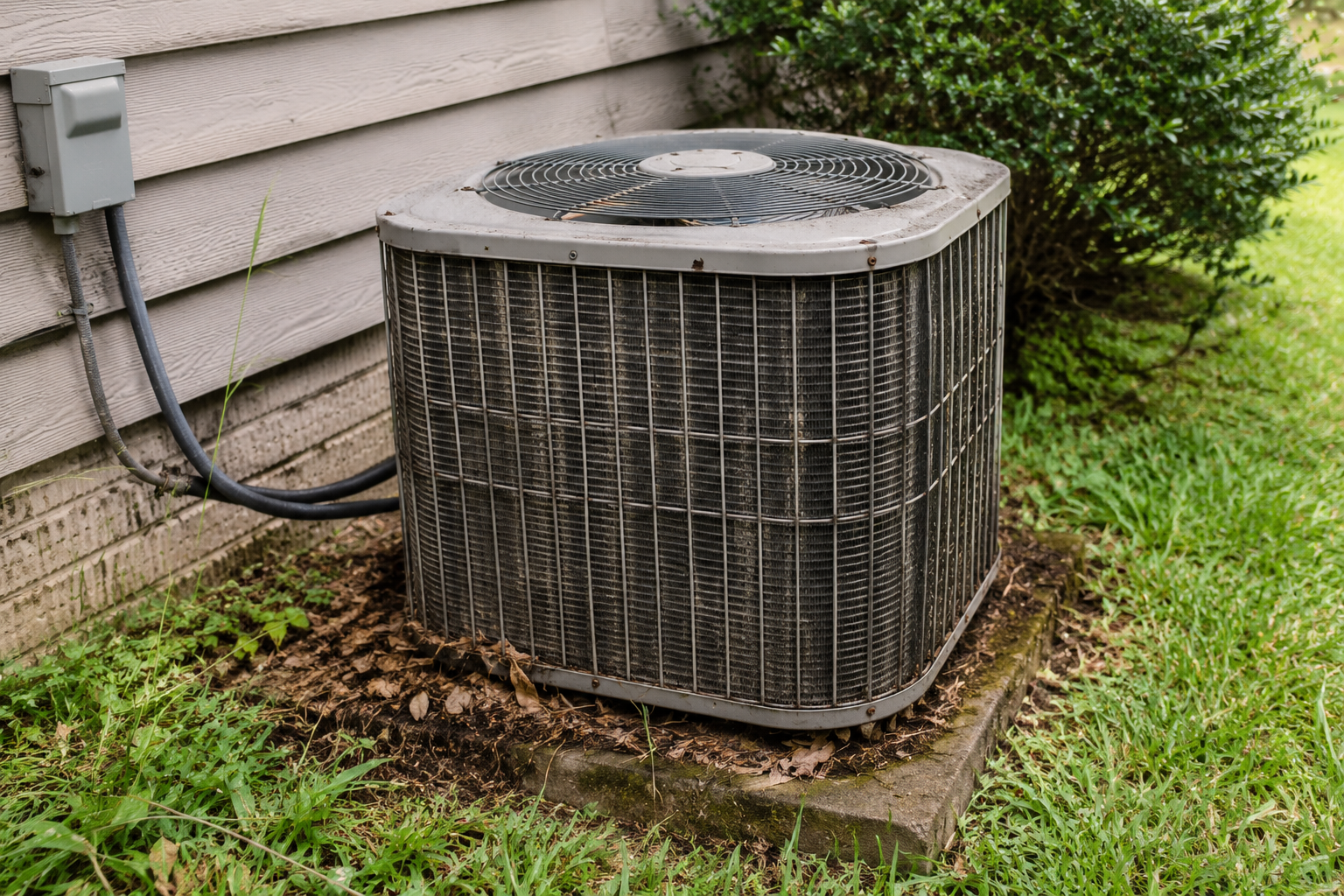
Outdoor condenser units release heat collected from inside the home. When coils become coated with dirt or debris, heat transfer becomes more difficult.
That forces the system to operate at higher temperatures while using more energy.
Evaporator Coil Buildup Restricts Cooling Performance
Inside the home, dirty evaporator coils interfere with the system’s ability to absorb heat effectively.
This may contribute to:
| Dirty Coil Effect | Result Inside the Home |
|---|---|
| Reduced heat transfer | Longer cooling cycles |
| Restricted airflow | Uneven temperatures |
| Coil freezing risk | System shutdowns |
| Increased compressor strain | Higher repair risk |
Regular maintenance helps identify these conditions before cooling costs increase significantly.
Electrical Problems Often Worsen Gradually
Some AC repairs begin as intermittent electrical issues that appear minor initially.
The system may still operate most of the time, which leads homeowners to delay service.
Weak Components Create System Instability
Electrical parts commonly affected include:
- Capacitors
- Contactors
- Relays
- Wiring connections
As these parts weaken, the system may struggle during startup or heavy cooling demand.
Intermittent Problems Often Become Full Failures
A failing capacitor, for example, may still allow the AC to run temporarily while placing additional strain on the compressor and fan motors.
Over time, that strain increases the likelihood of larger component failure.
Older AC Systems Lose Efficiency Faster
Aging systems usually experience performance decline more quickly once problems develop.
Even small repair issues may have larger effects on cooling efficiency in older equipment.
Wear Reduces Overall System Performance
Older systems may already have:
- Reduced airflow efficiency
- Aging electrical parts
- Dirt accumulation
- Worn motors
When repairs are delayed, the performance drop often becomes more noticeable much faster.
Older Refrigerants Can Increase Costs Too
Some aging AC systems still rely on older refrigerants that are becoming more expensive and less available.
As refrigerant servicing costs rise, delaying repairs may become increasingly expensive over time.
Preventive Maintenance Often Costs Less Than Emergency Repairs
Routine maintenance helps identify efficiency problems early before they create larger cooling costs.
Many AC issues develop gradually enough that technicians can spot warning signs before major damage occurs.
Maintenance Helps Reduce Strain on the System
Regular service commonly includes:
- Coil cleaning
- Airflow inspection
- Refrigerant checks
- Electrical testing
- Filter evaluation
These smaller maintenance steps help the system operate more efficiently during heavy summer demand.
Emergency Breakdowns Usually Happen at the Worst Time
In South Jordan, major AC failures often occur during extreme heat when systems are already under maximum strain.
Emergency repairs may involve:
- After-hours service
- Higher demand scheduling
- Extended downtime
- Larger component failures
Addressing smaller issues earlier often helps reduce the risk of major midsummer breakdowns.
Frequently Asked Questions About Delaying AC Repairs
Can a small AC problem increase energy bills?
Yes. Even minor efficiency issues may force the system to run longer and consume more electricity.
Why does low refrigerant raise cooling costs?
Low refrigerant reduces heat transfer efficiency, causing longer cooling cycles and increased compressor strain.
Can dirty coils affect AC performance?
Yes. Dirty coils reduce heat transfer and force the system to work harder during operation.
Why does airflow matter so much for cooling efficiency?
Poor airflow prevents the system from distributing cooled air properly throughout the home.
Is it cheaper to repair AC problems early?
In many cases, yes. Early repairs may prevent additional component damage and higher operating costs later.
Conclusion
Delaying AC repairs can gradually increase cooling costs by forcing the system to work harder, run longer, and operate less efficiently during hot Utah weather. Problems involving airflow, refrigerant, dirty components, or electrical performance often become more expensive over time as additional strain spreads through the HVAC system.
For homeowners in South Jordan and surrounding Utah communities, addressing AC problems early may help reduce energy usage, prevent larger repairs, and maintain more reliable cooling throughout the summer. Hill Heating & Air provides air conditioning services and HVAC support for homeowners looking to improve cooling performance and system reliability across the region.