What Drives the Price of a New HVAC System Installation?
March 1, 2026
Replacing an HVAC system is one of the largest home investments most homeowners ever make. When people start gathering quotes, the price range often feels confusing. One estimate may be thousands lower than another, even though both claim to cover “installation.”
For homeowners in South Jordan, Utah, where HVAC systems must handle long winters and hot, dry summers, understanding what actually shapes that price is essential. A new system is not just a box in the basement or attic. It is a combination of equipment, labor, design, and long-term performance.
This guide explains what truly drives the cost of a new HVAC system installation so you can see where your money goes and why prices vary.
The Equipment Itself
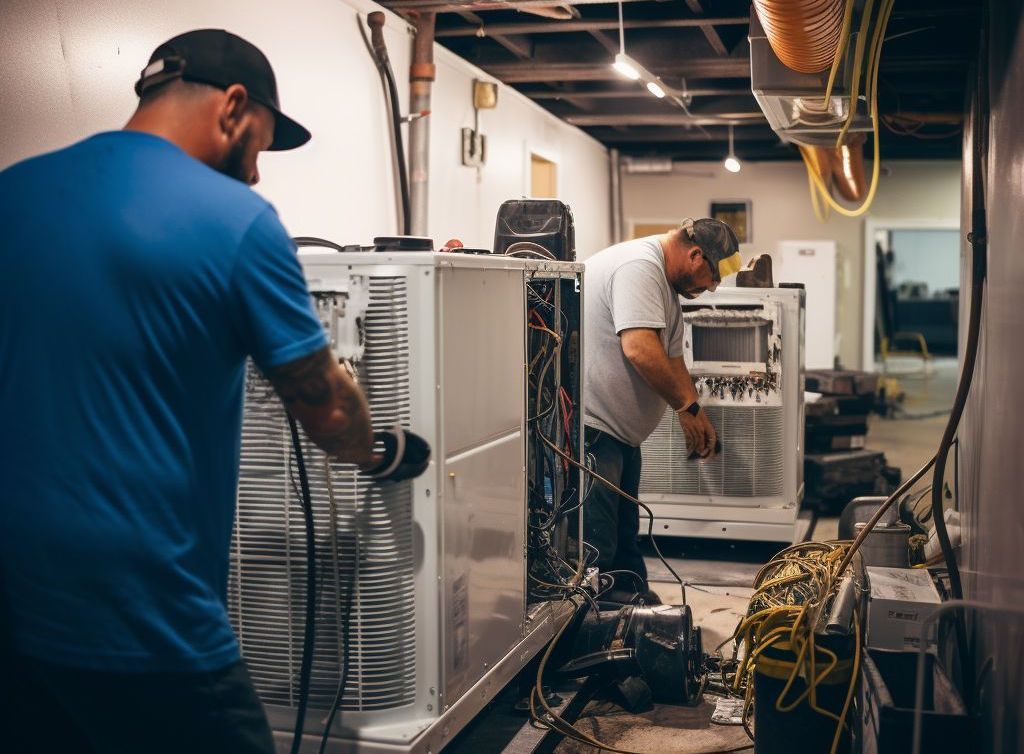
The foundation of any installation cost is the system you choose.
Different systems carry different price ranges:
- Standard-efficiency furnaces and air conditioners
- High-efficiency models with advanced controls
- Heat pumps and dual-fuel systems
- Variable-speed and inverter-driven equipment
Higher-efficiency units cost more upfront because they use better components, more precise motors, and advanced electronics. In return, they use less energy and provide smoother temperature control.
For homes in South Jordan, where HVAC systems run hard for much of the year, higher-efficiency equipment can translate into meaningful long-term savings. That potential value is reflected in the purchase price.
Home Size and System Capacity
HVAC systems are sized based on the home, not just square footage.
Proper sizing considers:
- Total living area
- Ceiling height
- Window size and placement
- Insulation quality
- Sun exposure
Larger or less-efficient homes require systems with higher capacity. Bigger equipment costs more, and improper sizing can lead to comfort issues and higher operating costs.
A correctly sized system requires load calculations, not guesswork. That design work is part of the installation cost.
Ductwork Condition and Modifications
Many homeowners assume installation only involves swapping equipment. In reality, ductwork plays a major role.
Existing ducts may be:
- Undersized
- Leaking
- Poorly routed
- Contaminated
- Incompatible with modern airflow needs
If ducts must be sealed, resized, rerouted, or replaced, labor and materials increase. In some homes, this portion of the project rivals the equipment cost itself.
Duct performance directly affects efficiency, comfort, and noise. Proper airflow design is not optional—it is what allows the system to perform as intended.
Installation Complexity
No two homes install the same way.
Cost increases when:
- Equipment is located in tight attics or crawl spaces
- Access requires structural modification
- Electrical upgrades are needed
- Gas lines must be extended or relocated
- Condensate drainage must be redesigned
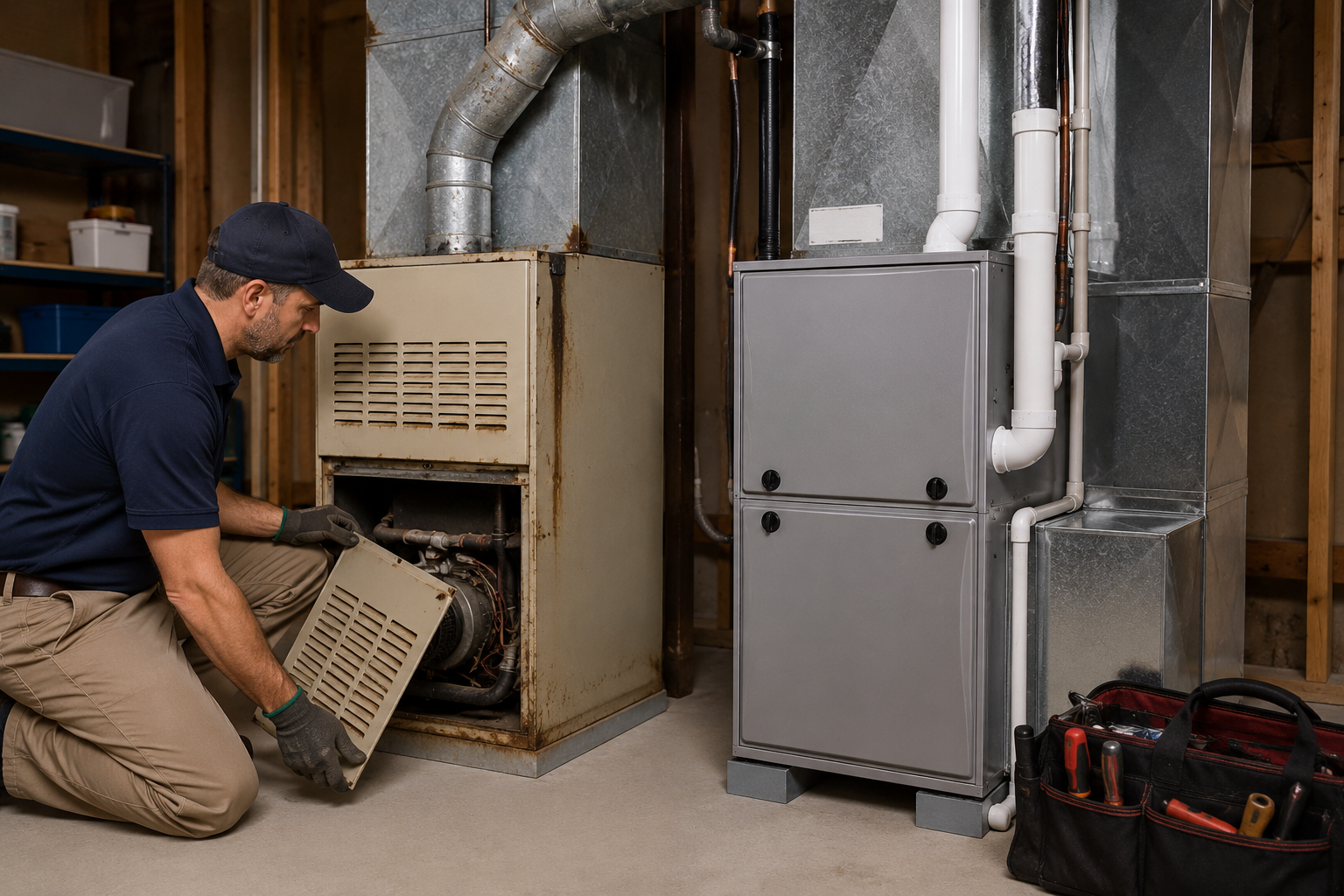
A straightforward basement installation differs dramatically from a cramped attic replacement. Labor time expands. Safety measures increase. Planning becomes more involved.
These variables explain why two homes of similar size can receive very different estimates.
Labor Quality and Experience
Installation quality determines system performance more than brand name.
Proper installation includes:
- Accurate load calculations
- Precise refrigerant charging
- Correct airflow balancing
- Safe electrical and gas connections
- System commissioning and testing
Experienced technicians take time to do these steps correctly. That expertise carries value.
Lower quotes may reduce cost by compressing labor time or skipping design steps. The result can be poor airflow, reduced efficiency, noise issues, and early component failure.
What appears cheaper upfront often costs more over the system’s lifespan.
Permits, Codes, and Compliance
A legitimate HVAC installation follows local building codes and safety regulations.
This includes:
- Permits
- Inspections
- Combustion safety testing
- Electrical compliance
- Venting requirements
These steps protect homeowners. They also require time and coordination.
Skipping them lowers price but raises risk. Proper compliance is part of professional installation and part of what homeowners pay for.
System Features and Upgrades
Optional enhancements affect price:
- Smart thermostats
- Zoning systems
- Air purification equipment
- Humidity control
- Noise-reduction components
These upgrades improve comfort and air quality but increase equipment and labor cost. Whether they are worthwhile depends on household needs and lifestyle.
Why Quotes Vary So Widely
Price differences are rarely random. They reflect different assumptions about:
- Equipment quality
- Scope of ductwork
- Labor depth
- Design precision
- Compliance standards
Two bids may both say “HVAC installation,” yet represent entirely different projects.
Understanding what each quote includes allows homeowners to compare value instead of just numbers.
Frequently Asked Questions
Why is one quote much lower than another?
Lower prices often reflect reduced labor time, lower-efficiency equipment, or limited ductwork and testing.
Does higher price always mean better quality?
Not automatically, but very low prices often indicate corners being cut.
Is high-efficiency equipment worth the cost?
In many homes, especially in climates like South Jordan, higher efficiency reduces long-term operating costs.
Can installation affect system lifespan?
Yes. Improper installation shortens equipment life and increases repair frequency.
Is emergency service avoidable?
Not entirely. Mechanical systems fail. But most emergency calls are preventable through regular care.
Conclusion
The price of a new HVAC system installation reflects far more than the equipment itself. It includes design, labor, airflow engineering, safety compliance, and long-term performance.
For homeowners in South Jordan, Utah, understanding these factors makes it easier to evaluate quotes and choose based on value rather than shock. A properly designed and installed system delivers comfort, efficiency, and reliability for years.
Hill Heating & Air helps homeowners navigate that process with clarity, ensuring each installation fits the home, the climate, and the long-term needs of the family.