When Does Uneven Cooling Signal a Bigger HVAC Problem?
April 1, 2026
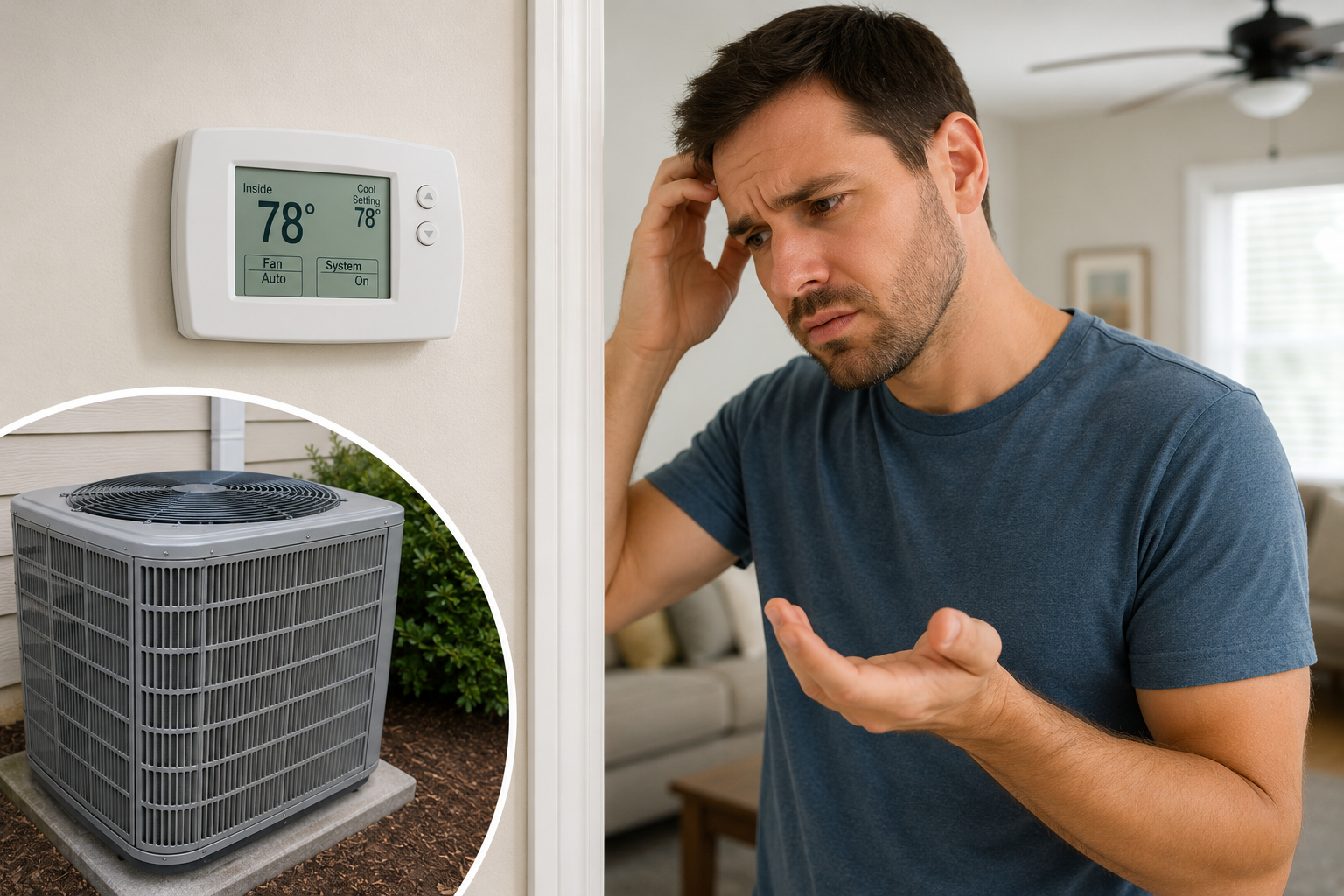
Uneven cooling is easy to brush off. One bedroom feels warmer than the rest of the house, the living room cools fine, and everything seems “good enough.” Many homeowners assume it’s just how the house is laid out.
In South Jordan, Utah, where summer heat can stretch on for months, these imbalances often become part of daily life. Fans get moved from room to room. Doors stay open. Thermostats get lowered to compensate. What feels like a small inconvenience is often a sign that the HVAC system is no longer working as it should.
This guide explains when uneven cooling is just a minor quirk—and when it signals a deeper problem that affects comfort, efficiency, and system health.
Why Uneven Cooling Happens
An HVAC system is designed to distribute air evenly across the home. When that balance breaks down, something in the delivery process is no longer working as intended.
In most homes, uneven cooling traces back to one of three mechanical categories:
- Airflow problems
- System capacity issues
- Control and distribution failures
When any of these drift out of alignment, certain rooms receive too much conditioned air while others receive too little. The system still runs, but it no longer performs as a unified whole.
The Most Common Sources of Temperature Imbalance
Uneven cooling does not appear randomly. It is usually created by one or more physical limitations inside the system or the home.
Ductwork Failures
Duct problems are the leading cause of uneven temperatures. They interrupt how air is delivered throughout the house.
Typical duct-related issues include:
- Leaks that release air before it reaches rooms
- Disconnected or collapsed sections
- Branches that are too small for the space they serve
- Sharp turns that restrict airflow
When ducts fail, air follows the path of least resistance. Rooms closest to the equipment feel cold, while distant rooms stay warm. Homeowners lower the thermostat to compensate, forcing the system to run longer than necessary.
Improper System Sizing
Every HVAC system must match the home’s cooling load.
An undersized system struggles to push air far enough or long enough to reach distant rooms. An oversized system cools too quickly and shuts off before air circulates evenly.
Both scenarios produce imbalance. In either case, the system is operating outside its ideal range.
Component Degradation
As equipment ages, mechanical performance shifts.
Common examples include:
- Blower motors losing strength
- Evaporator coils becoming coated
- Dampers sticking or failing
- Filters restricting airflow
These changes reduce total air volume. Rooms at the end of duct runs feel the impact first, creating a pattern that worsens over time.
Heat Gain Within the Home
Not all imbalance originates inside the HVAC system.
Rooms with:
- Large sun-facing windows
- Poor attic insulation
- Exposed exterior walls
absorb more heat. The system may be functioning correctly, but the building envelope overwhelms certain areas. Without correction, the HVAC system must compensate for structural inefficiencies.
When Uneven Cooling Becomes a Warning Sign
Some temperature variation is normal. Persistent imbalance is not.
Uneven cooling signals a larger problem when:
- The same rooms are always uncomfortable
- The thermostat must be set lower each season
- Airflow feels weak in specific areas
- Energy bills rise despite similar usage
- The system runs longer than it used to
These patterns reflect declining performance. What begins as discomfort becomes inefficiency, higher cost, and increased strain on equipment.
The Cost of Ignoring the Pattern
Uneven cooling does not remain isolated.
As the system compensates, several hidden costs emerge:
- Longer run times increase energy use
- Components wear faster under constant load
- Comfort declines throughout the home
- Repair risk rises as strain builds
Over time, homeowners pay more for less comfort. What once felt like a layout quirk becomes a system-wide problem.
How Professionals Identify the Root Cause
Correcting uneven cooling requires measurement, not guesswork.
A proper evaluation examines:
- Airflow volume at each vent
- Duct pressure and leakage
- System size relative to the home
- Component performance
- Heat gain patterns
From there, solutions are selected based on the actual failure point.
Common corrective actions include:
- Sealing or resizing ductwork
- Adjusting or replacing blower components
- Adding zoning controls
- Improving insulation
- Replacing a mismatched system
Each fix targets the cause, not the symptom.
Frequently Asked Questions
Is uneven cooling normal in multi-story homes?
Some variation is expected, but large or persistent differences usually point to airflow or design issues.
Can closing vents fix hot rooms?
Closing vents often worsens imbalance by increasing pressure elsewhere and reducing overall airflow.
Does lowering the thermostat solve the problem?
It cools warm rooms but overcools others and raises energy costs.
Can duct sealing really make a difference?
Yes. Leaky ducts are one of the most common causes of uneven temperatures.
Is uneven cooling a sign the system is failing?
Not always, but it often signals declining performance or improper design.
Conclusion
Uneven cooling is rarely just a comfort issue. It is a signal that airflow, system design, or building performance is drifting out of balance.
For homeowners in South Jordan, Utah, these patterns often point to inefficiencies that raise energy costs and strain equipment long before a breakdown occurs. Addressing the root cause restores comfort and protects the system from premature wear.
Hill Heating & Air helps homeowners identify why certain rooms never feel right and correct the underlying issue, turning uneven cooling back into consistent, reliable comfort.