What Hidden Costs Come with Skipping HVAC Maintenance?
February 1, 2026
HVAC maintenance is easy to postpone. When the system is still running, nothing feels urgent. Air is moving, the house is comfortable, and the idea of scheduling a tune-up can seem unnecessary. Many homeowners decide to “wait until something breaks.”
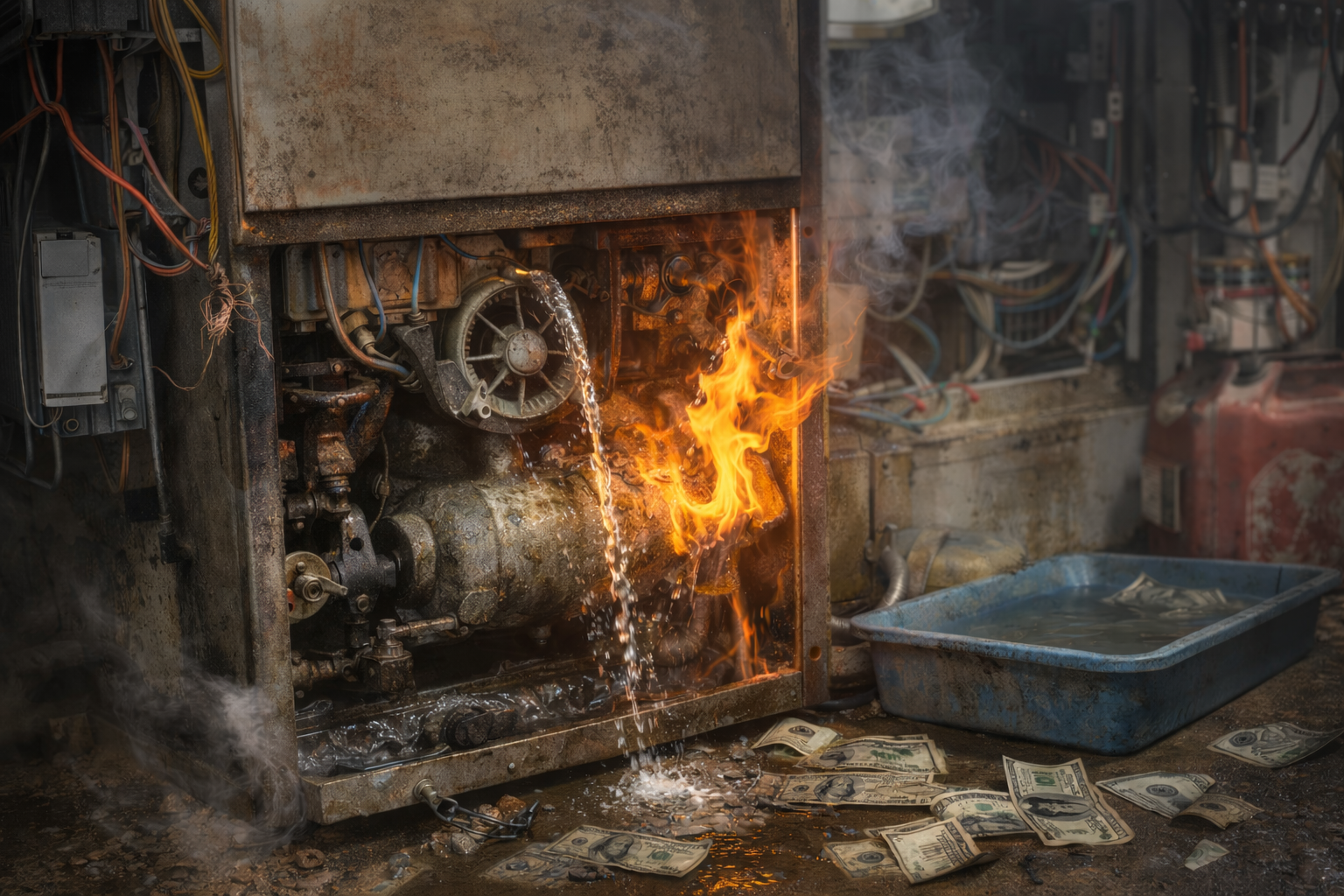
The problem is that skipping maintenance rarely saves money. It simply shifts costs into places that are harder to see—higher utility bills, unexpected repairs, shortened system lifespan, and comfort problems that slowly become normal. For homeowners in South Jordan, Utah, where HVAC systems work hard through both freezing winters and dry summers, these hidden costs add up faster than most people expect.
This guide breaks down what really happens when routine HVAC maintenance is ignored and why the price is often paid later in ways that feel far more painful than a scheduled service visit.
What HVAC Maintenance Actually Prevents
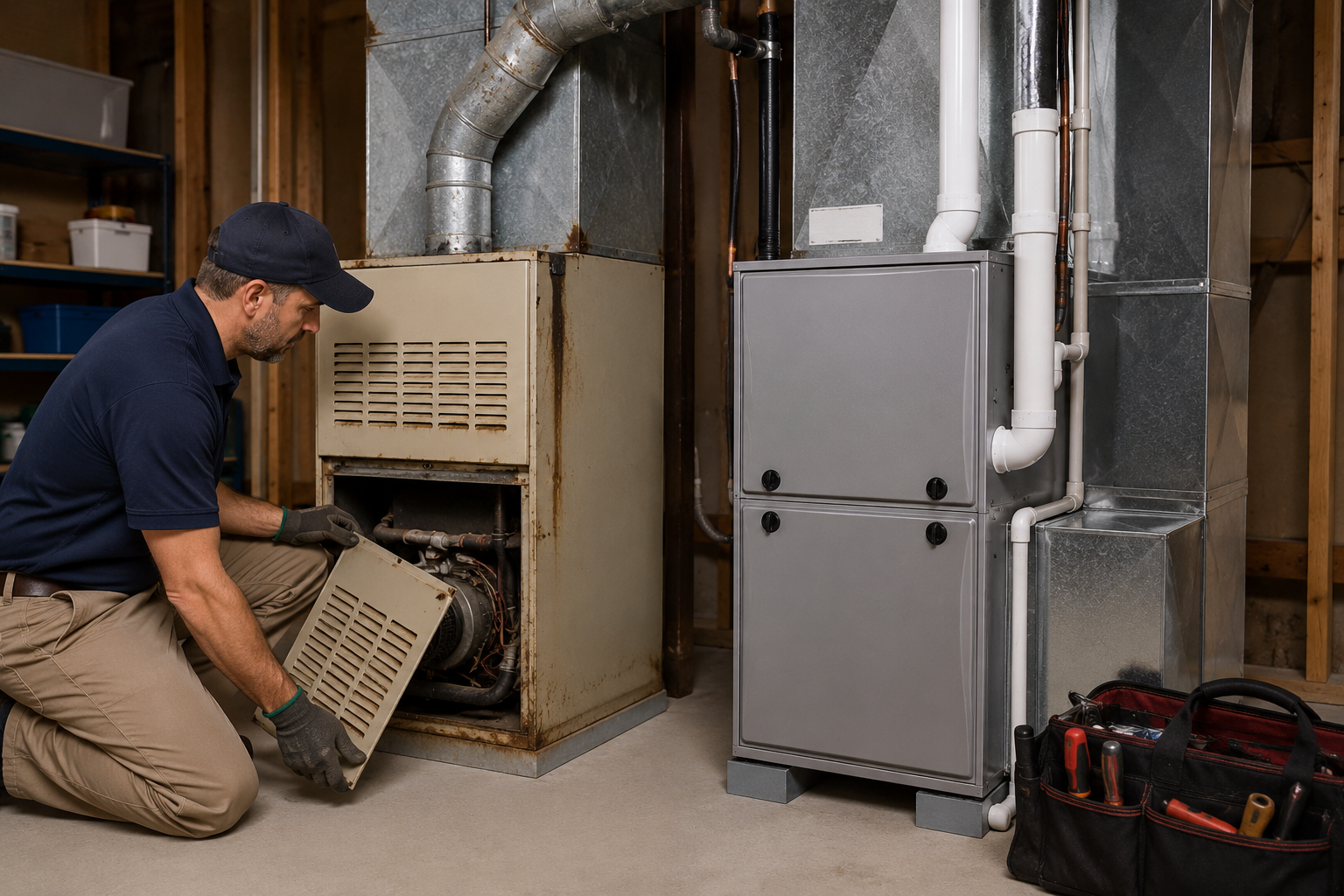
Routine maintenance is not just a visual inspection. It involves cleaning, calibrating, testing, and correcting small issues before they grow. During a typical service visit, a technician may:
- Clean coils and burners
- Replace or wash filters
- Check refrigerant levels
- Inspect electrical connections
- Test safety controls
- Measure airflow and efficiency
These tasks keep the system operating as designed. Without them, performance slowly degrades. The system still runs, but it runs harder, longer, and less efficiently.
That slow decline is what creates hidden costs.
The Hidden Costs You Don’t See Right Away
Skipping maintenance doesn’t usually cause immediate failure. The costs appear quietly, over time, in ways that are easy to overlook.
Higher Energy Bills
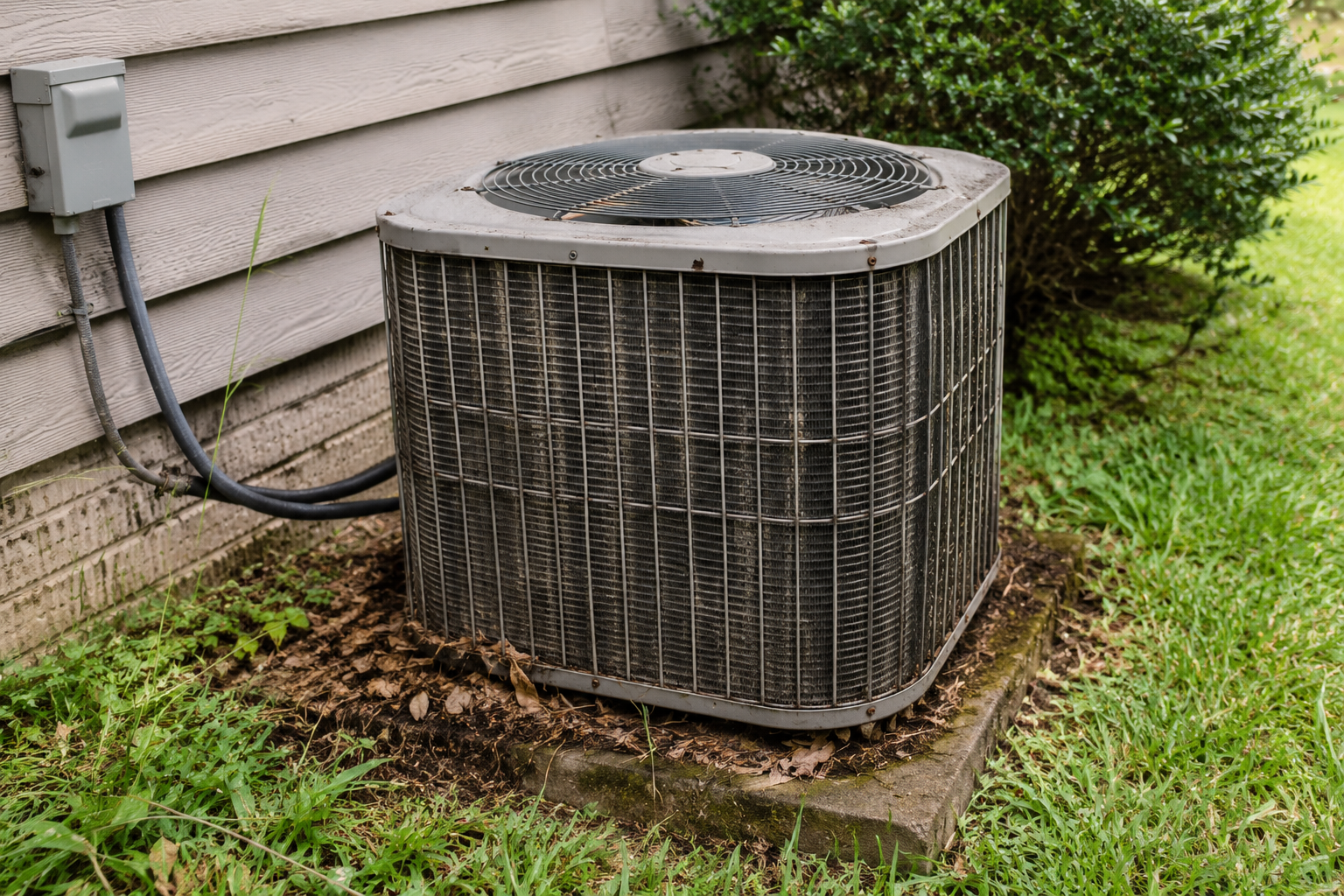
Dust buildup on coils, clogged filters, and misaligned components force the system to work harder to move the same amount of air. That extra strain translates directly into higher utility bills.
In South Jordan, where heating and cooling are used heavily across the year, even small efficiency losses can compound. A system that runs ten or fifteen percent less efficiently month after month quietly drains hundreds of dollars annually.
Most homeowners attribute rising energy bills to weather or utility rates, not realizing their HVAC system is doing more work than it should.
Accelerated Wear on Components
HVAC systems are designed to operate within specific ranges. When airflow is restricted or parts are dirty, motors, compressors, and fans are forced to compensate.
This added strain shortens the life of critical components. Bearings wear faster. Electrical connections degrade. Motors overheat. The system may still function, but its internal parts are aging at an accelerated pace.
Maintenance slows that wear. Skipping it allows minor friction to become major failure.
Surprise Repairs
When small problems go unnoticed, they rarely stay small. A loose wire becomes a burnt contact. A dirty flame sensor becomes a no-heat emergency. A clogged drain becomes water damage.
These repairs tend to happen without warning. They also tend to occur during peak seasons, when the system is under the most stress. Emergency calls cost more than scheduled visits, and parts fail when they are least convenient.
The cost is not just financial. It is lost time, disrupted schedules, and discomfort during extreme weather.
Reduced System Lifespan
An HVAC system that is maintained regularly can reach or exceed its expected lifespan. One that is ignored often fails years earlier.
Replacing a system is one of the largest home expenses outside of roofing. Skipping maintenance may save a small amount in the short term, but it often leads to replacement far sooner than necessary.
That hidden cost is measured in years lost, not just dollars spent.
Comfort Problems That Become Normal
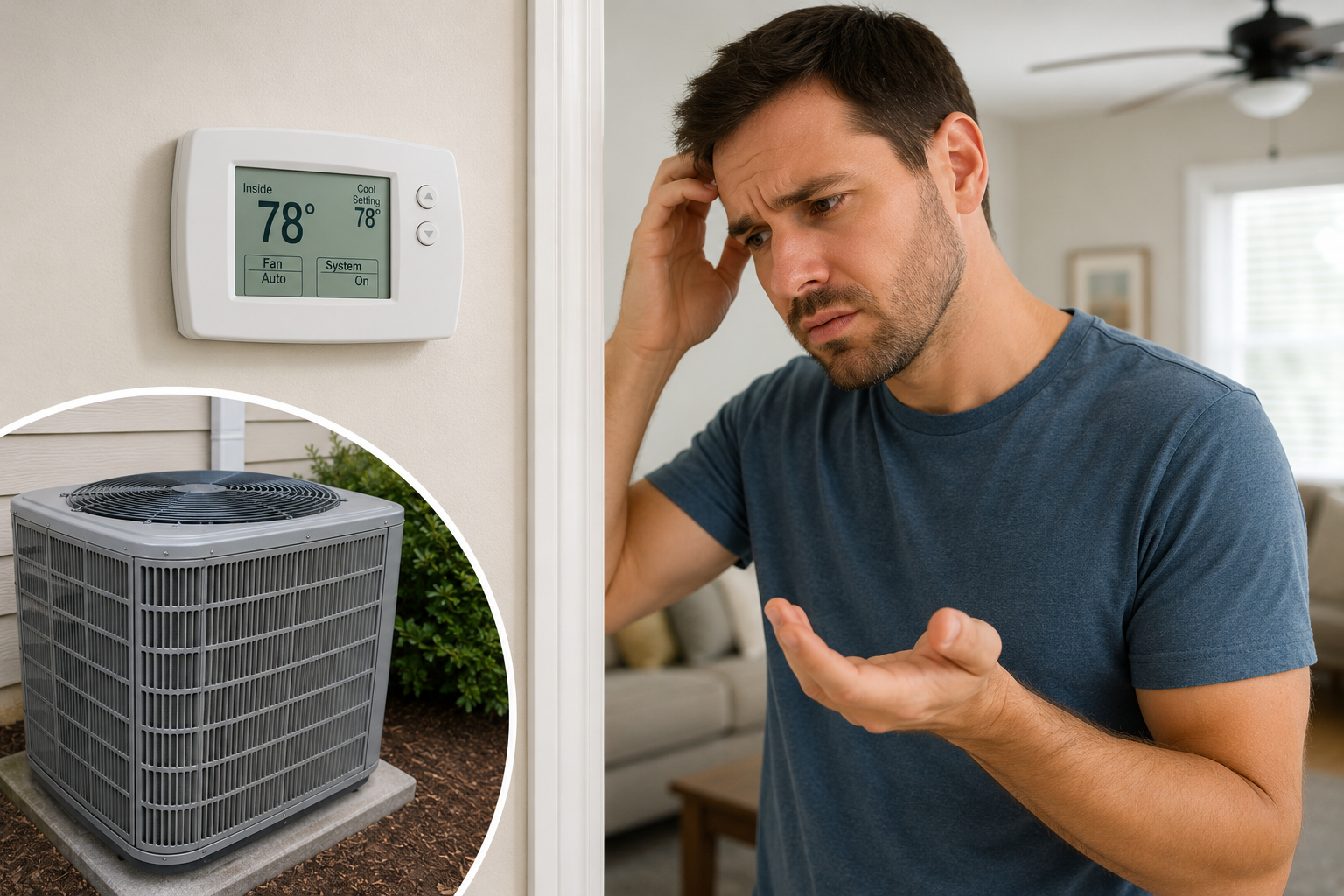
Uneven temperatures, longer run times, weak airflow, and noisy operation often develop gradually. Homeowners adapt.
A bedroom that is always cold in winter becomes “just how that room is.” A living room that never cools properly becomes accepted. These are not design flaws. They are performance issues.
Maintenance restores balance. Without it, comfort slowly erodes until the house no longer feels the way it once did.
How These Costs Compound Over Time
The real danger of skipping HVAC maintenance is not a single failure. It is accumulation.
One year of higher energy use becomes five. One worn part leads to another. Each small inefficiency feeds the next. By the time a major breakdown occurs, the system has already cost far more than a decade of routine service would have.
What feels like saving money is often just deferring payment—at a higher interest rate.
A Practical Way to Think About Maintenance Value
Instead of viewing maintenance as an optional service, it helps to frame it as protection against specific losses.
- It protects efficiency, keeping energy costs stable
- It protects components, extending system life.
- It protects reliability, reducing surprise failures.
- It protects comfort, keeping airflow and temperatures balanced.
- It protects safety, ensuring controls and burners operate correctly.
Each of these has a financial and personal cost when neglected.
Maintenance vs. Repair: A Real Comparison
Understanding the difference between proactive service and reactive repair clarifies where money is truly spent.
| Aspect | With Regular Maintenance | Without Maintenance |
|---|---|---|
| Energy Use | Stable and efficient | Gradually rising |
| Component Wear | Slow and predictable | Accelerated and uneven |
| Repair Frequency | Infrequent | Increasing over time |
| Failure Timing | Rare emergencies | Rare emergencies Breakdowns during peak use |
| System Lifespan | Full or extended | Shortened |
| Comfort Levels | Consistent | Gradually degraded |
Frequently Asked Questions
How often should HVAC maintenance be done?
Most systems benefit from service twice a year—once before the heating season and once before the cooling season.
Does maintenance really prevent breakdowns?
It cannot stop every failure, but it dramatically reduces the likelihood of preventable issues caused by dirt, wear, or misalignment.
Is maintenance worth it if the system seems fine?
Yes. Many problems develop silently. By the time symptoms appear, damage is often already underway.
Can skipping maintenance void warranties?
Some manufacturer warranties require documented service. Neglecting maintenance may limit coverage.
Is maintenance cheaper than repairs?
In most cases, yes. Routine service costs far less than emergency calls or major component replacement.
Conclusion
Skipping HVAC maintenance feels harmless because the consequences are not immediate. The system still runs. The house is still comfortable. But beneath the surface, efficiency slips, parts wear faster, and small issues quietly grow.
For homeowners in South Jordan, Utah, where HVAC systems work hard year-round, those hidden costs accumulate quickly. Higher energy bills, surprise repairs, shortened system life, and declining comfort all stem from the same source: neglect.
Hill Heating & Air helps homeowners stay ahead of those costs by keeping systems clean, efficient, and reliable. A simple maintenance visit today often prevents the expensive problems of tomorrow.