Is It Cheaper to Repair or Replace an Aging Furnace?
January 28, 2026
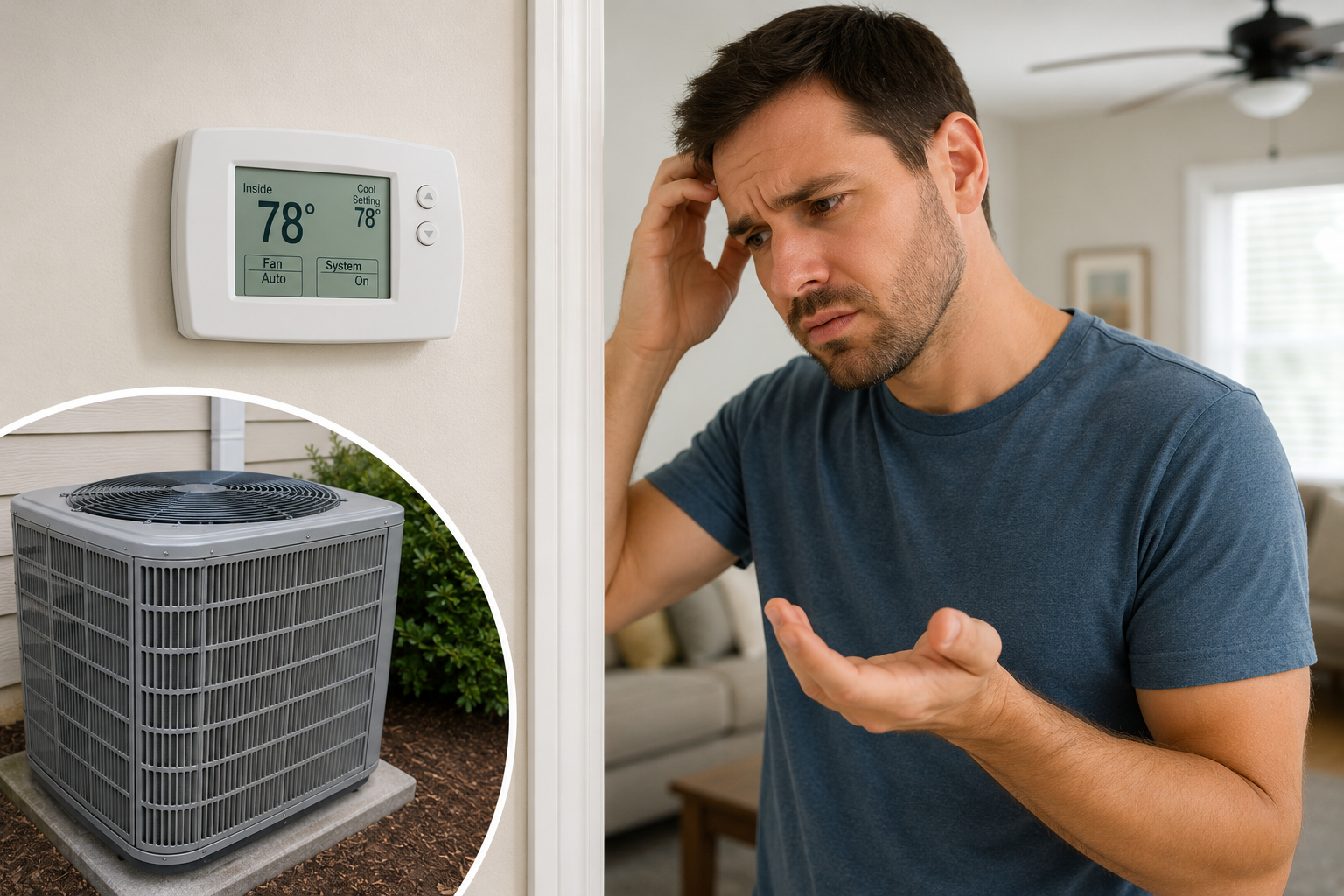
A furnace rarely fails at a convenient time. It’s usually in the middle of winter, when the house is cold and every hour without heat feels urgent. After the repair estimate comes in, the real question appears: does it make sense to keep fixing this system, or is it time to replace it?
For homeowners in South Jordan, Utah, where heating systems run hard for months at a time, this decision affects more than comfort. It shapes long-term costs, reliability, and peace of mind. This guide breaks down how to think through the repair-versus-replace question so the choice is based on logic, not stress.

Repair vs. Replacement: What Each Option Really Means
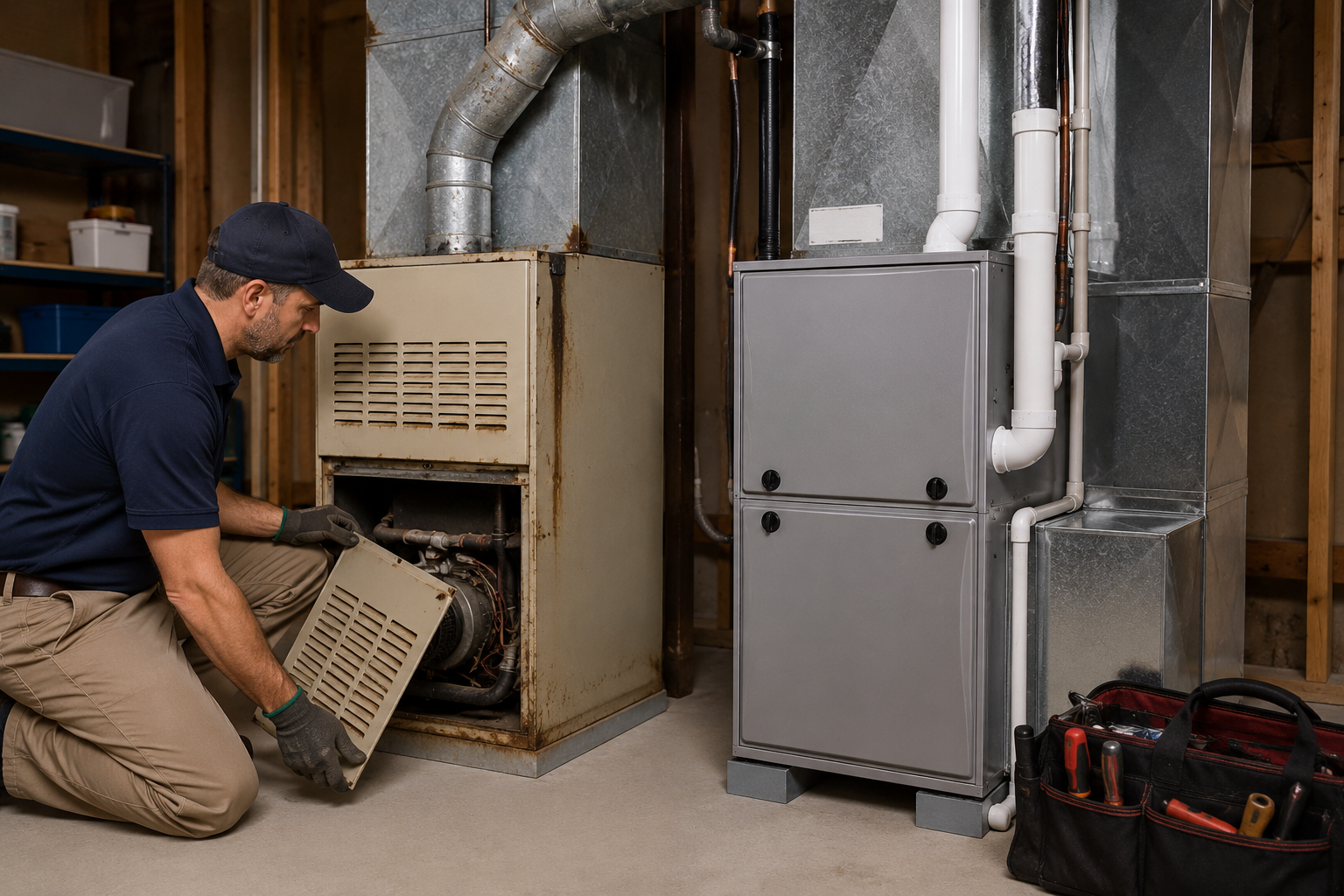
A furnace repair targets a specific failure. It might be an igniter, blower motor, control board, or thermostat. These fixes are often completed in one visit and cost far less than a full system replacement. When the issue is isolated and the furnace is still relatively young, repair is usually the sensible move.
Replacement means removing the old unit and installing a new furnace. This brings modern safety features, higher efficiency, and fewer breakdowns. The upfront cost is higher, but it can eliminate recurring problems and reduce heating bills over time.
The real challenge is recognizing when a string of “small” repairs becomes more expensive than starting over.
The Factors That Matter Most
Several practical elements determine whether repairing still makes sense or whether replacement offers better value.
The Age of Your Furnace
Most furnaces are designed to last about 15 to 20 years. As systems move past the 12–15 year range, wear accelerates. Even well-maintained units begin failing more often simply due to age.
If your furnace is under 10 years old, repairs are usually the economical choice. If it’s pushing 15 or beyond, each new repair deserves closer scrutiny. You are no longer fixing a single problem—you are extending the life of a system nearing the end of its design window.
Frequency of Breakdowns
One repair every few years is normal. Multiple service calls in a single season are not.
Recurring failures often signal widespread wear. Each individual repair may seem manageable, but together they can approach the cost of replacement. Worse, these breakdowns tend to happen during the coldest weeks of winter.
Energy Efficiency and Monthly Costs
Older furnaces operate under outdated efficiency standards. They burn more fuel to produce the same heat.
In South Jordan, where heating systems run for long stretches, inefficiency quietly inflates monthly utility bills. A newer furnace with modern efficiency ratings can lower those costs, allowing savings to accumulate over time.
The Repair-to-Replacement Cost Ratio
Many HVAC professionals use a simple guideline: if a repair approaches half the cost of replacing the furnace, replacement is often the better long-term choice.
Spending a few hundred dollars on a minor repair is rarely a concern. Spending thousands on an aging system shifts the equation. As repairs move into the 40–50% range of replacement cost, the financial advantage of fixing fades quickly.
A Practical Way to Decide
Instead of guessing, follow a simple comparison process that balances today’s expense with long-term impact.
- Get a clear repair estimate
Understand exactly what failed and what it will cost to fix. - Request a replacement quote
Knowing the real cost of a new system gives context. - Compare the ratio
If the repair is well under a third of replacement and the system is younger, repair usually makes sense. If it nears half the cost on an older furnace, replacement often becomes the smarter move. - Think beyond this season
Repairs solve today’s problem. Replacement reduces future breakdowns and lowers energy use. - Account for safety and reliability
Issues involving heat exchangers, ignition systems, or gas components carry real risk. In these cases, replacement may be the responsible choice regardless of cost.
Repair vs. Replacement at a Glance
Seeing both paths side by side helps clarify the tradeoff.
| Consideration | Repair Often Makes Sense When… | Replacement Is Smarter When… |
|---|---|---|
| Furnace Age | Under 10–12 years | Over 15 years |
| Breakdown History | Rare or isolated issues | Frequent failures |
| Repair Cost | Under 30–40% of replacement | Near or above 50% |
| Long-Term Plans | Short-term fix needed | Staying in the home long-term |
Frequently Asked Questions
How much does furnace repair usually cost?
Minor repairs may cost a few hundred dollars, while major component failures can reach into the thousands.
How much does replacing a furnace cost?
Replacement varies based on system type and home size. Most homeowners spend several thousand dollars for a full installation.
Will a new furnace lower energy bills?
In many cases, yes. Modern furnaces use less fuel to produce the same heat, reducing monthly costs over time.
Is it worth repairing a 15-year-old furnace?
It depends on the condition and cost of the repair, but many homeowners begin planning for replacement once a system reaches this age.
What is the 50% rule?
It’s a guideline: if a repair costs half or more of replacement, replacing the system is often the better financial decision.
Conclusion
Choosing between repairing and replacing an aging furnace is not about one invoice. It’s about weighing reliability, efficiency, and long-term cost. By looking at system age, breakdown history, and how repair costs compare to replacement, homeowners can make decisions that protect both comfort and budget.
For homeowners in South Jordan, Utah, having a local perspective makes that choice clearer.
Hill Heating & Air helps evaluate furnaces honestly, so the path forward is based on real needs—whether that means one more repair or a fresh start with a new system.