Mini-Split vs. Central Air: Which Is Best for South Jordan Homes?
August 26, 2025
Choosing the right
cooling system is a big decision for homeowners in South Jordan, UT. Whether you’re building a new home, upgrading an outdated system, or adding cooling to a remodel, you’ll likely consider two options: a ductless mini-split system or a traditional central air conditioning system. Each has unique benefits and costs. Here’s a clear, side-by-side comparison to help you decide.

What Is a Mini-Split System?
A mini-split is a ductless heating and cooling system with an outdoor compressor and one or more indoor air handlers. Benefits include:
- Zoned Comfort: Control temperatures room by room.
- Energy Efficiency: Less energy loss because there’s no ductwork.
- Easy Install: Ideal for additions, older homes, or rooms without ducts.
When it’s ideal: Homes without existing ducts, energy-conscious homeowners, or areas needing separate temperature control (e.g., bonus rooms).
What Is a Central Air System?
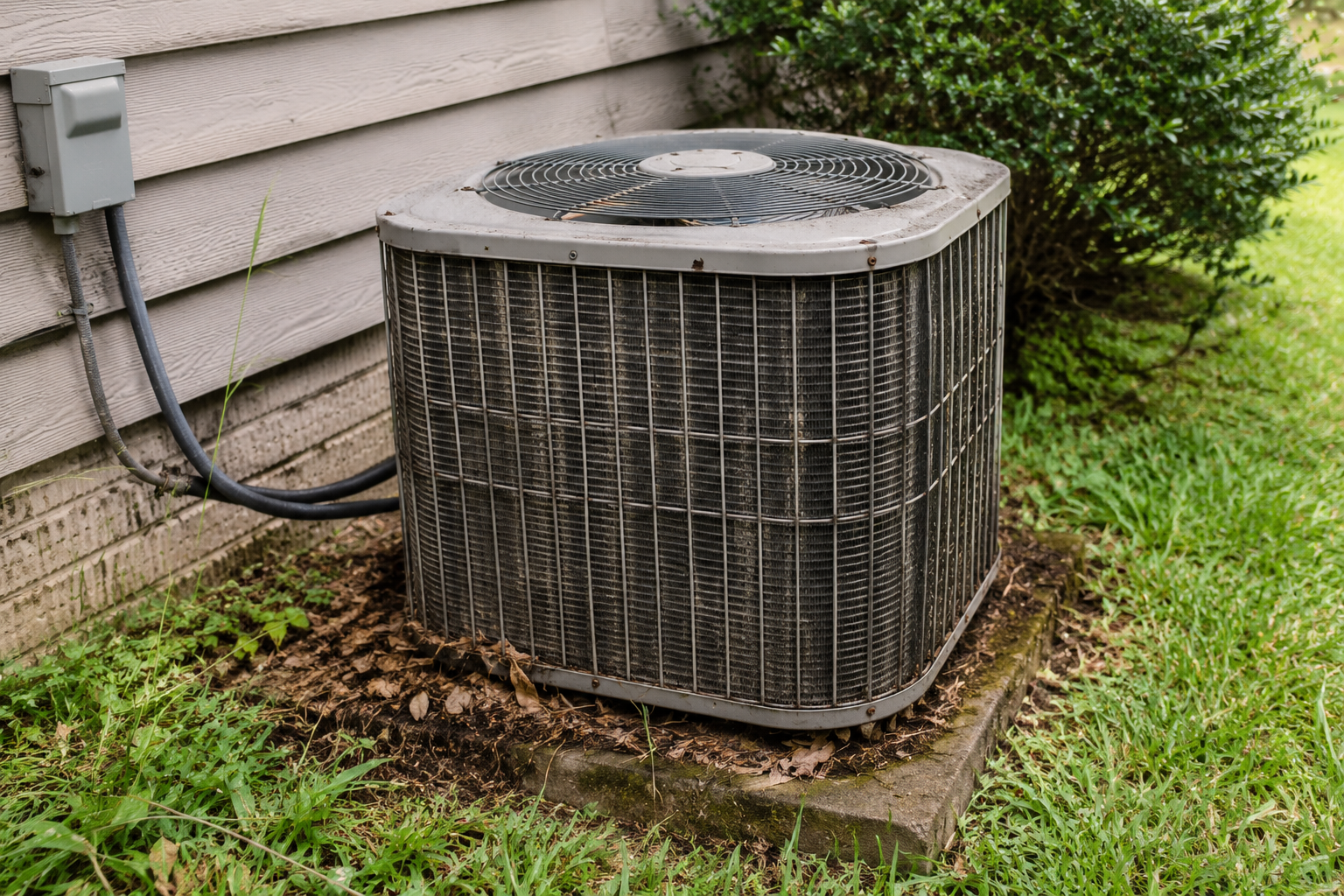
Central AC uses a single outdoor unit and indoor air handler connected by ducts to cool the entire home. Advantages include:
- Whole-Home Cooling: Even comfort across multiple rooms.
- Lower Equipment Costs Per Room: Better for larger homes.
- Cleaner Aesthetic: No visible wall units.
- When it’s ideal: Homes with existing ductwork or those wanting one thermostat to control the entire house.
Cost Comparison
Costs vary depending on system size, brand, and installation complexity. Typical ranges for South Jordan:
| System Type | Average Installed Cost |
|---|---|
| Ductless Mini-Split | $2,500 – $7,500 |
| Central Air (with ducts$4,000 – $10,000+ | $4,000 – $10,000+ |
Operating Costs:
Mini-splits often save money over time due to efficiency, especially for smaller spaces.
Central AC can be more cost-effective for larger homes or whole-house cooling.
Energy Efficiency & Maintenance
- Mini-Split: Higher efficiency ratings (SEER), fewer ducts mean less energy loss, easier maintenance but more indoor units to service.
- Central Air: Good efficiency if ducts are sealed, requires regular filter changes and occasional duct cleaning.
Key Factors to Consider
- Home Size & Layout – Mini-splits excel in smaller or zoned spaces; central AC better for full homes.
- Aesthetics – Mini-split indoor units are visible; central air is mostly hidden.
- Budget & Rebates – Check for tax incentives and utility rebates; heat pump mini-splits may qualify.
Why Choose Hill Heating & Air
- Local Experience: Serving South Jordan and surrounding areas with 25+ years of HVAC expertise.
- All Options Covered: We install and service both mini-split and central AC systems.
- Transparent Advice: Honest recommendations based on your home’s needs and budget.
FAQs
- Which system is cheaper to run?
Mini-splits are typically more efficient for smaller spaces; central AC can be cheaper for whole homes if ducts are in good shape. - Do mini-splits heat as well?
Yes, many mini-splits are heat pumps and can provide heating in winter. - Can I use both systems?
Yes, hybrid systems are common—mini-splits for additions or rooms, central AC for the main home.
Conclusion and Call to Action
Whether you’re leaning toward the energy-efficient flexibility of a mini-split or the seamless comfort of central air, Hill Heating & Air can help you make the right choice for your South Jordan home.
Ready to explore your options? Call
(801) 860-0655 or
schedule a consultation.