Heat Pump Installation in South Jordan: Benefits + Federal Tax Incentives
August 26, 2025
Energy efficiency and cost savings matter more than ever, especially for Utah homeowners balancing hot summers and cold winters. Heat pumps are an increasingly popular option, offering both heating and cooling in one system. For South Jordan residents, the benefits are clear—and with federal tax incentives, now is a smart time to upgrade. Here’s what you need to know about installing a heat pump with
Hill Heating & Air.
Why Consider a Heat Pump in South Jordan?
- All-in-One Solution: Provides both heating and cooling for year-round comfort.
- Energy Efficiency: Uses less energy than separate systems, lowering monthly bills.
- Cleaner Operation: Great for homes aiming to reduce reliance on fossil fuels.
- Quiet & Low-Maintenance: Modern units are quieter and require less upkeep than older HVAC systems.
How Much Does a Heat Pump Cost?
Prices depend on size, brand, and installation complexity. Typical ranges in Utah:
| System Type | Average Installed Cost |
|---|---|
| Ductless Mini-Split | $2,500 – $7,500 |
| Air-Source Heat Pump | $4,000 – $10,000+ |
| Ground-Source/Geotherma | $15,000 – $30,000+ |
Note: Installation costs vary based on home size, ductwork condition, and system features. Hill Heating & Air provides customized quotes after an in-home assessment.
Federal and Local Incentives
Federal Tax Credits: Up to 30% credit for qualifying energy-efficient systems (check IRS guidelines).
- State/Utility Rebates: Some Utah utilities offer additional rebates for high-efficiency installs.
- Long-Term Savings: Energy-efficient systems can reduce monthly heating and cooling costs by 20–40%.
Hill Heating & Air stays updated on all incentive programs to help maximize your savings.
Our Heat Pump Installation Process
- Consultation & Assessment: Evaluate home needs, discuss options and rebates.
- Quote & Scheduling: Provide transparent, itemized estimate.
- Professional Installation: Certified technicians handle setup, testing, and cleanup.
- Post-Install Support: Training, warranty details, and ongoing maintenance plans.
Signs It’s Time to Upgrade
- Heating or cooling bills are climbing each season
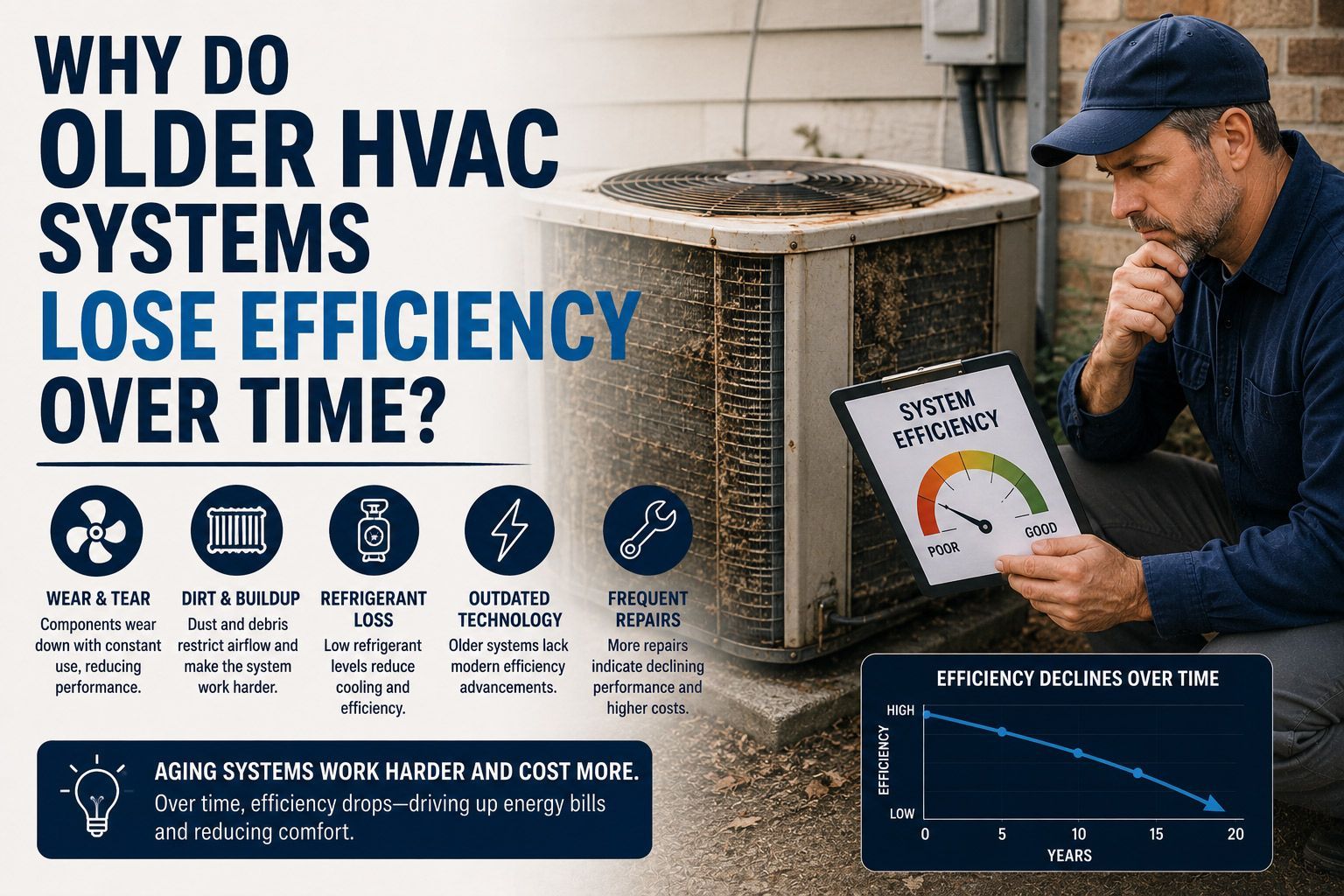
- Your current HVAC system is 12–15+ years old
- Frequent repairs or uneven temperatures
- Interest in greener, more energy-efficient technology
Why Hill Heating & Air
- Local Expertise: Serving South Jordan and surrounding counties.
- Certified Installers: Skilled in all brands and system types.
- Transparent Pricing: Clear estimates, no surprises.
- Support Beyond Install: Maintenance plans to keep your investment running smoothly.
FAQs
- How long does a heat pump last?
Typically 12–15 years with proper care; geothermal systems can last even longer. - Are heat pumps good in cold climates like Utah?
Yes. Modern units are designed to work efficiently in temperatures below freezing. - Can I finance a heat pump installation?
Many HVAC contractors, including Hill Heating & Air, offer financing options.
Conclusion and Call to Action
Upgrading to a heat pump can cut energy bills, reduce your carbon footprint, and qualify you for tax credits. Hill Heating & Air makes it simple with expert installation, clear pricing, and knowledge of every incentive available.
Ready to explore your options? Call (801) 860-0655 or schedule a consultation today.