Heating Repair in Salt Lake City, UT
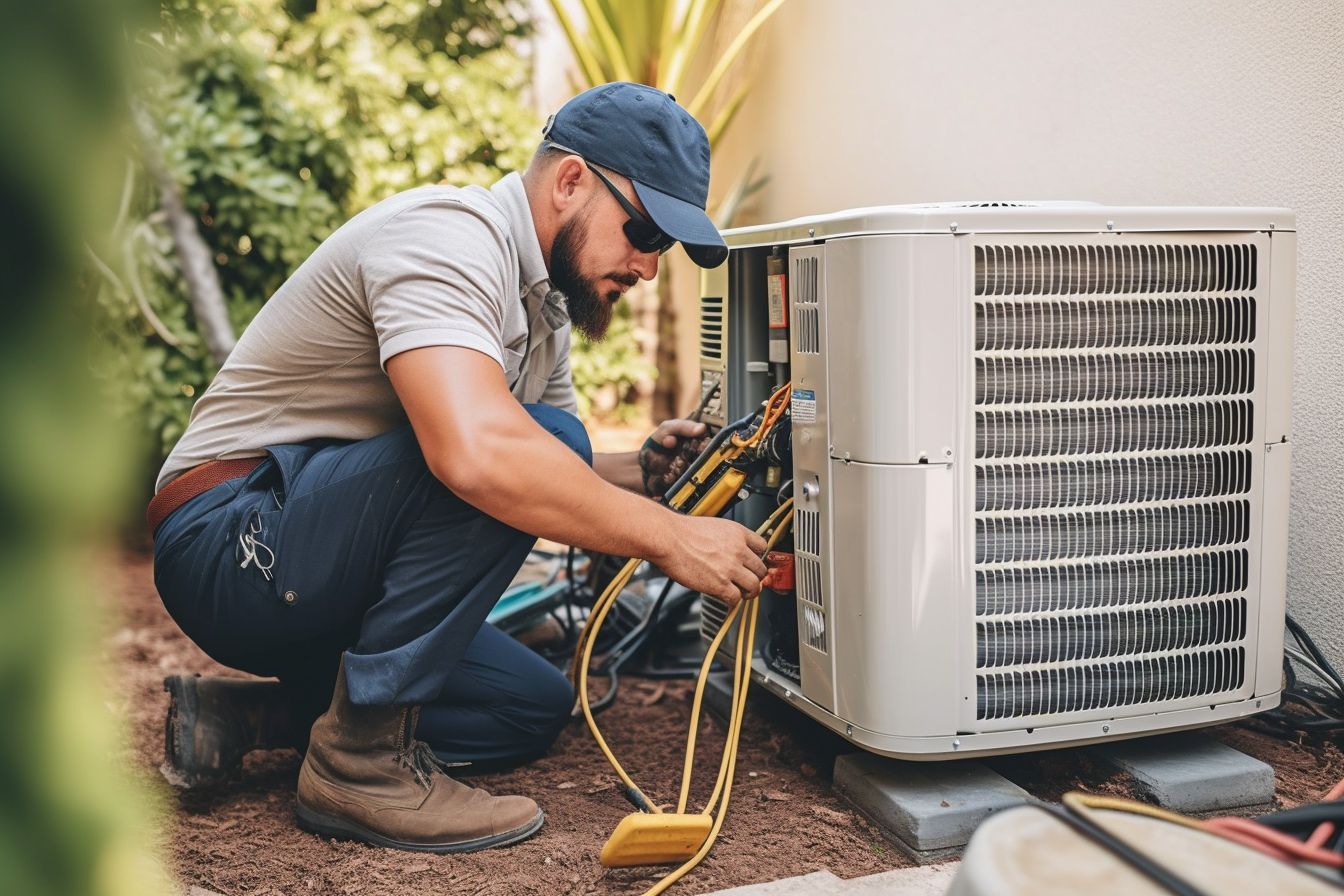
A heating system that stops working in a Salt Lake City winter isn't something you can put off. Whether your furnace won't start, your heat pump is blowing cold air, or something sounds wrong and you're not sure how serious it is — Hill Heating & Air provides heating repairs throughout Salt Lake City, UT with honest diagnostics and upfront pricing.
Our technicians identify the actual problem, explain it clearly, and give you a written estimate before anything is touched. If a repair is the right call, we handle it. If it isn't, we'll tell you that too.
Common Heating Problems We Repair
Most heating failures in Salt Lake City homes come down to a recognizable set of issues. Here's what our technicians encounter most frequently — and what's actually going on when each one happens:
Furnace Won't Turn On
If your furnace isn't starting at all, the cause is usually electrical or control-related rather than a major mechanical failure. Common culprits include a tripped circuit breaker, a blown fuse on the control board, a faulty igniter, a failed pressure switch, or a thermostat that's lost communication with the system. Most of these are relatively straightforward repairs once the source is correctly identified.
Furnace Running but Not Heating
A furnace that runs — the blower turns on, air moves — but doesn't produce warm air usually has one of a few causes: a failed igniter that isn't lighting the burners, a faulty flame sensor that shuts the burners down immediately after ignition, a tripped high-limit switch from overheating, or a cracked heat exchanger that causes the system to shut down as a safety measure. The heat exchanger scenario is the most serious and warrants prompt attention.
Short Cycling
Short cycling — the furnace turning on and off repeatedly in short bursts — is hard on the heat exchanger and results in uneven temperatures throughout the house. It's almost always a symptom of something else: an overheating furnace shutting itself off (often caused by a clogged filter or blocked vents), a failing flame sensor, or a system that was oversized at installation. Diagnosing short cycling correctly requires understanding what's triggering the shutoff, not just replacing parts until it stops.
No Heat from a Heat Pump
Heat pumps failing to heat in cold weather is a common call we receive during Salt Lake City's colder months — and it's frequently misdiagnosed. A heat pump in defrost mode looks like it isn't working but is actually operating normally. Genuine failure causes include low refrigerant, a reversing valve stuck in cooling mode, a failed defrost board, or a problem with the auxiliary heat strips that should be supplementing the heat pump when outdoor temperatures drop. Each scenario has a different fix.
Cracked Heat Exchanger
The heat exchanger is the component inside your furnace that separates combustion gases from the air that circulates through your home. A crack means combustion gases — including carbon monoxide — can enter your living space. A furnace with a confirmed cracked heat exchanger should not be operated. This is one of the situations where we'll give you a straightforward assessment of whether repair is viable or whether the age and condition of the system make replacement the safer and more economical path.
Pilot Light or Ignition Problems
Older furnaces with standing pilot lights can have the pilot blow out due to a draft, a dirty thermocouple, or a failing gas valve. Modern furnaces use electronic ignition — hot surface igniters or intermittent pilot systems — which can fail with age or contamination. An igniter that's cracked or coated with residue won't reliably light the burners, causing no-heat calls that seem intermittent at first.
Boiler Not Heating or Losing Pressure
Boiler systems have their own set of failure points distinct from forced-air furnaces. Low pressure is one of the most common — the system drops below its operating range and locks out. Other issues include a failed circulator pump that stops moving heated water to the radiators or radiant tubing, a faulty pressure relief valve, air trapped in the system causing cold spots in radiators, or a failing expansion tank. Boiler repair requires familiarity with hydronic systems, which not every HVAC technician has.
Unusual Noises from the Heating System
The type of noise matters. A loud bang or boom when the furnace ignites — sometimes called delayed ignition — indicates gas building up before it lights, which stresses the heat exchanger over time and warrants investigation. Rattling usually points to loose panels, ductwork, or blower components. Squealing often means a worn blower motor bearing. Rumbling from a boiler can indicate sediment buildup at the bottom of the tank. Each noise points to something specific.
When a Smell Means Something Is Wrong
Not every smell from a heating system is an emergency, but some are. Here's what the most common ones actually indicate:
Dusty or burning smell at the start of the season
Normal. Dust accumulated on the heat exchanger and burners burning off during the first run of the year. Usually clears within an hour.
Persistent burning smell
If it doesn't clear after an hour or returns repeatedly, it could indicate an electrical problem — an overheating motor, failing wiring, or a component burning out. Worth having checked.
Rotten egg or sulfur smell
This is the odorant added to natural gas so leaks can be detected. If you smell this near your furnace or anywhere in your home, don't attempt to operate the system. Leave the house and call your gas utility's emergency line from outside.
Metallic or chemical smell
Can indicate an overheating heat exchanger or electrical components under stress. If accompanied by the furnace shutting off or short cycling, call for a repair visit.
Repair or Replace: How to Think About It
This is the question most homeowners are working through when they call us for a heating repair, and it's a fair one to ask before spending money on a system that may not have much life left. Here's the straightforward way we think about it:
- System age — Gas furnaces typically last 15–20 years with maintenance. Under 10 years old, repair almost always makes sense. 15 years or older, the calculation depends on the repair and the system's overall condition.
- Repair cost vs. system value — If a repair costs more than roughly half what the system is worth — factoring in age and condition — replacement is worth seriously considering.
- The nature of the repair — A failed igniter or a bad capacitor on an otherwise healthy system is a simple repair. A cracked heat exchanger on a 17-year-old furnace is a different conversation — that repair cost often justifies replacement.
- Repair history — A first repair on an aging system is one thing. A system that's been repaired repeatedly across different components is sending a clear signal about its overall condition.
- Carbon monoxide risk — Any repair that involves the heat exchanger or combustion system gets extra scrutiny. We test for CO and check combustion safety on every heating repair visit.
We'll give you our honest read after the diagnostic — including when replacement makes more financial and safety sense than continuing to repair. No pressure in either direction.
What to Expect When You Call Hill Heating & Air
We keep the process predictable from the first call to the finished repair:
- Scheduling — We'll find the earliest available appointment. Heating failures during cold weather are treated with urgency — we do our best to get there the same day or next day when temperatures are low.
- Diagnostic — Our technician inspects the full system — not just the obvious symptom — to identify the root cause. We explain what we found in plain language before discussing options.
- Written estimate — You receive an itemized price for the repair before we start. No work begins without your approval.
- Repair — We complete the repair using quality parts and test the system thoroughly — including a combustion safety check on gas systems — before we leave.
- Honest assessment — If we notice other components showing signs of wear during the visit, we'll mention it. Not as a sales push — just information you should have.
Heating Repair in a Salt Lake City Winter
There's a meaningful difference between a heating repair in October and one in January. When overnight lows are in the teens and your furnace goes down, getting it running the same day matters — both for comfort and for the safety of anyone in the home, particularly young children, elderly family members, or pets.
A few things that are specific to heating repair in the Salt Lake City area:
- Frozen pipes risk — A home without heat during a hard cold snap can develop frozen pipes within 24–48 hours in poorly insulated areas. If you're waiting on a repair and temperatures are severe, we can advise on interim precautions.
- Altitude and combustion — At Salt Lake City's elevation, gas combustion behaves differently than at sea level. Proper combustion analysis on gas furnaces at altitude requires a technician who accounts for this — an improperly adjusted furnace can produce higher CO levels than it would at lower elevations.
- Inversion-related strain — During winter inversions, homes stay closed tight for extended periods. A furnace that's marginal under normal conditions can struggle more during an inversion when it's running constantly against persistent cold air trapped in the valley.
Frequently Asked Questions (FAQ)
Your Heat Should Be Working. Let's Fix It.
Hill Heating & Air provides heating repairs throughout Salt Lake City, UT. Honest diagnostics, upfront pricing, and technicians who take no-heat calls seriously.